

MEZUZAH
Łódź
PIOTRKOWSKA 16 ST.
$258.00
| The idea: | Bronze Mezuzah from Łódź. This mezuzah is a bronze cast of imprint of the mezuzah trace found at the old tenement at Piotrkowska 16 in Łódź. We created a new mezuzah out of bronze to make the history tangible. Touching the mezuzah activates a link between past and present. MI POLIN – contemporary judaica brand from Poland. |
|---|---|
| Size | 5,7” long / 1,37” wide |
| Material | Bronze |
| SET & PRICE | The given price is the final product price for a set consisting: product and a dedicated to this product e-booklet. |
| TAX | According to the latest August 2025 US customs tariffs, our products are exempt from duties and taxes. In exceptional circumstances, a customs duty of $5 may apply (for large orders). |
| SHIPPING | Fare starts form 48$ to USA and to most countries outside EU. We ship by UPS. |
| Production | All components, prints, raw materials and finished products were manufactured 100% in Poland. |
Description
The trace of mezuzah
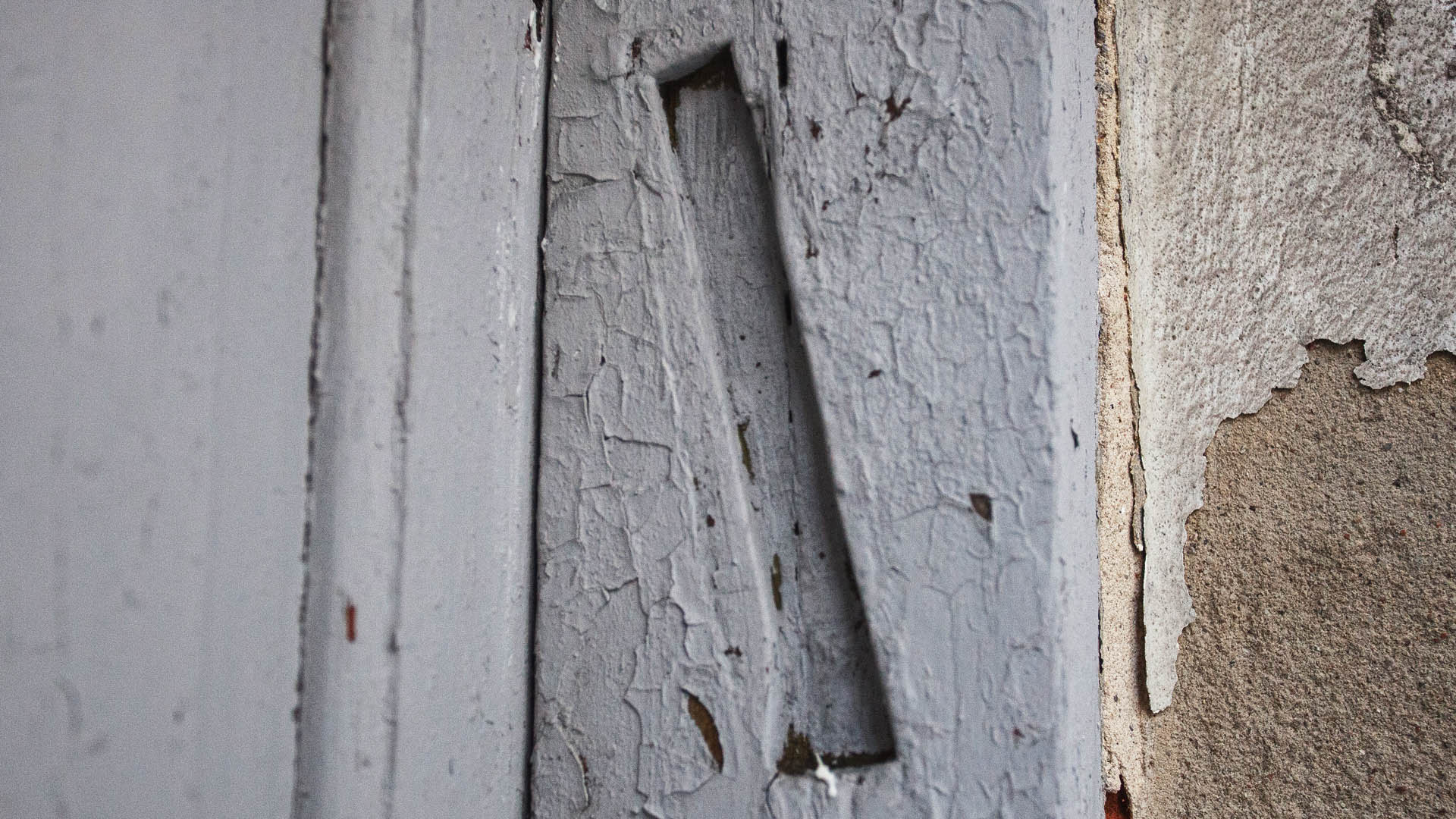
new mezuzah - bronze cast of the trace

The story hidden behind

the home
Until 1878, there was a wooden house and sheds in the yard on the property. Wanda Micińska became the new owner, demolished the old buildings. In mid-1881, Szmul Rosen became the new owner. In 1900, it passed into the hands of his heirs, but only until the end of the first decade of the 20th century. Full story below
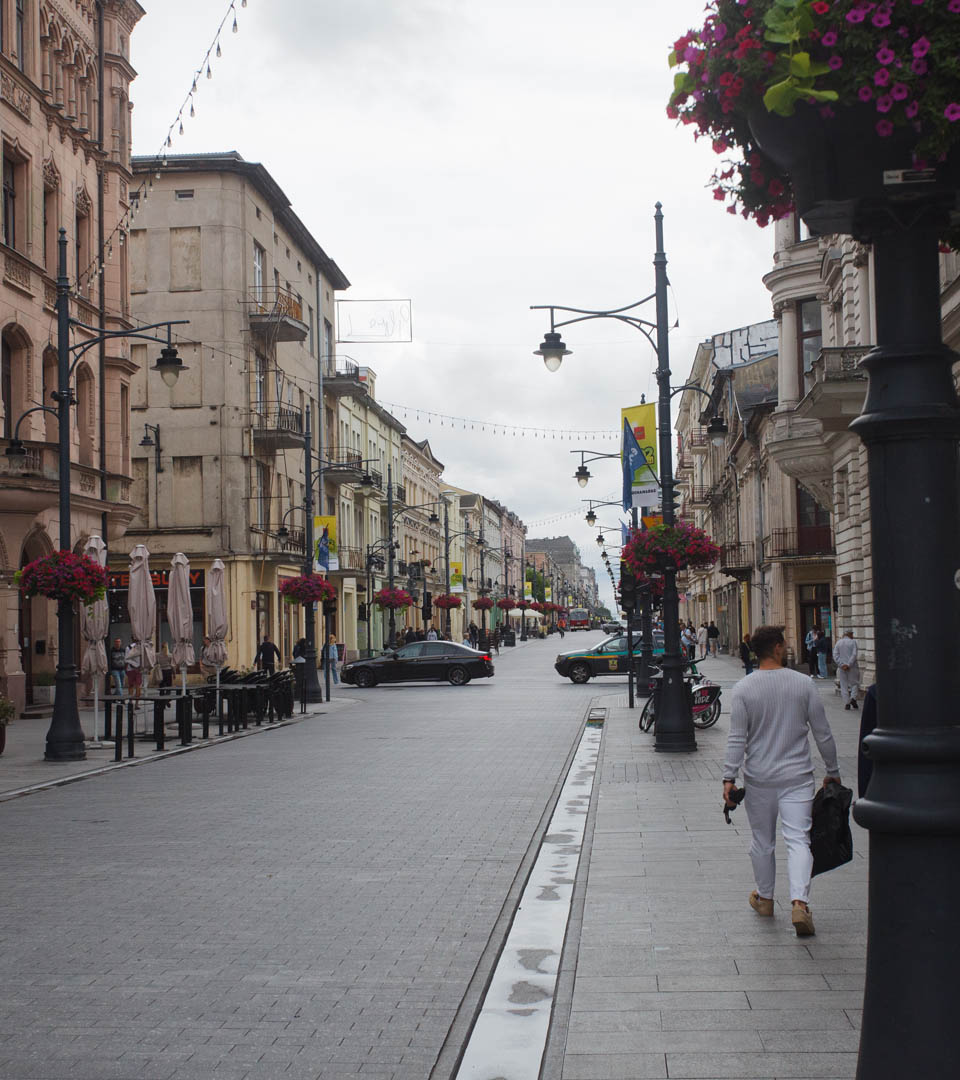
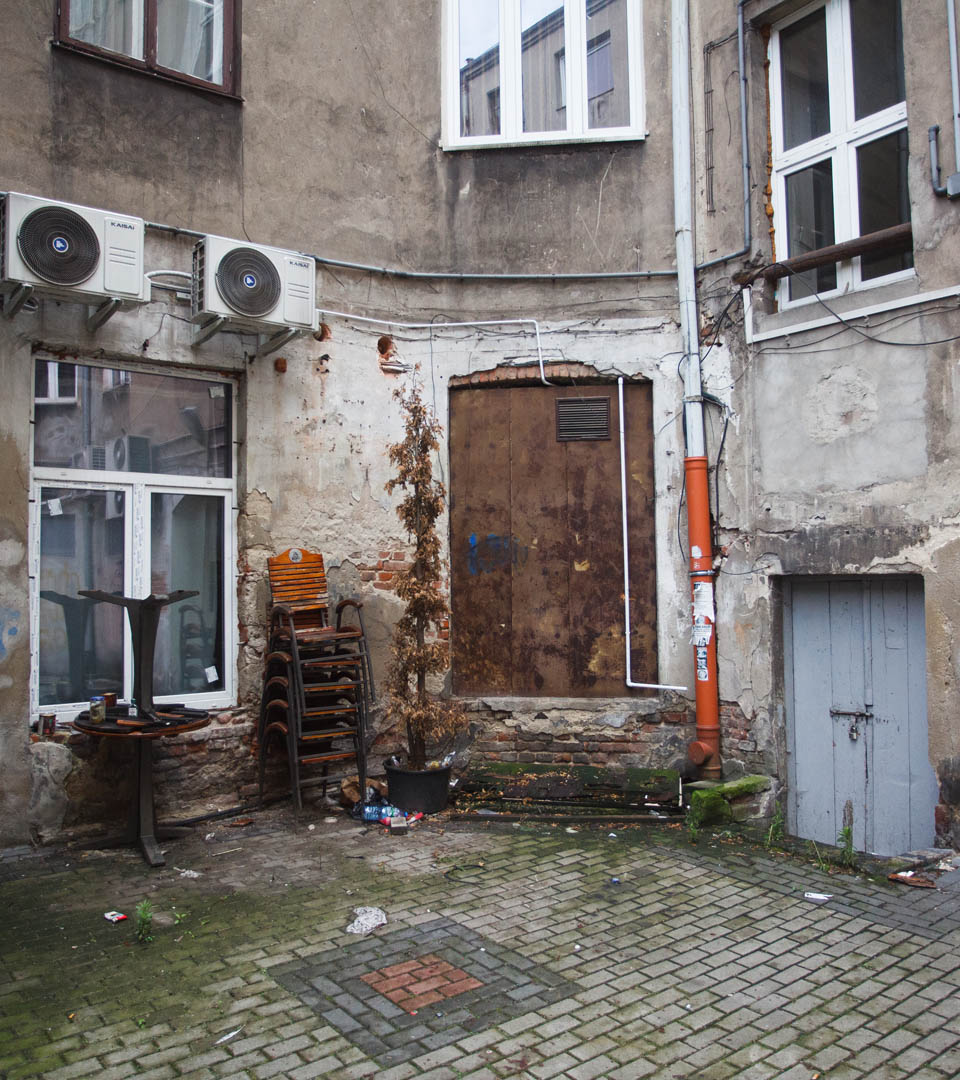
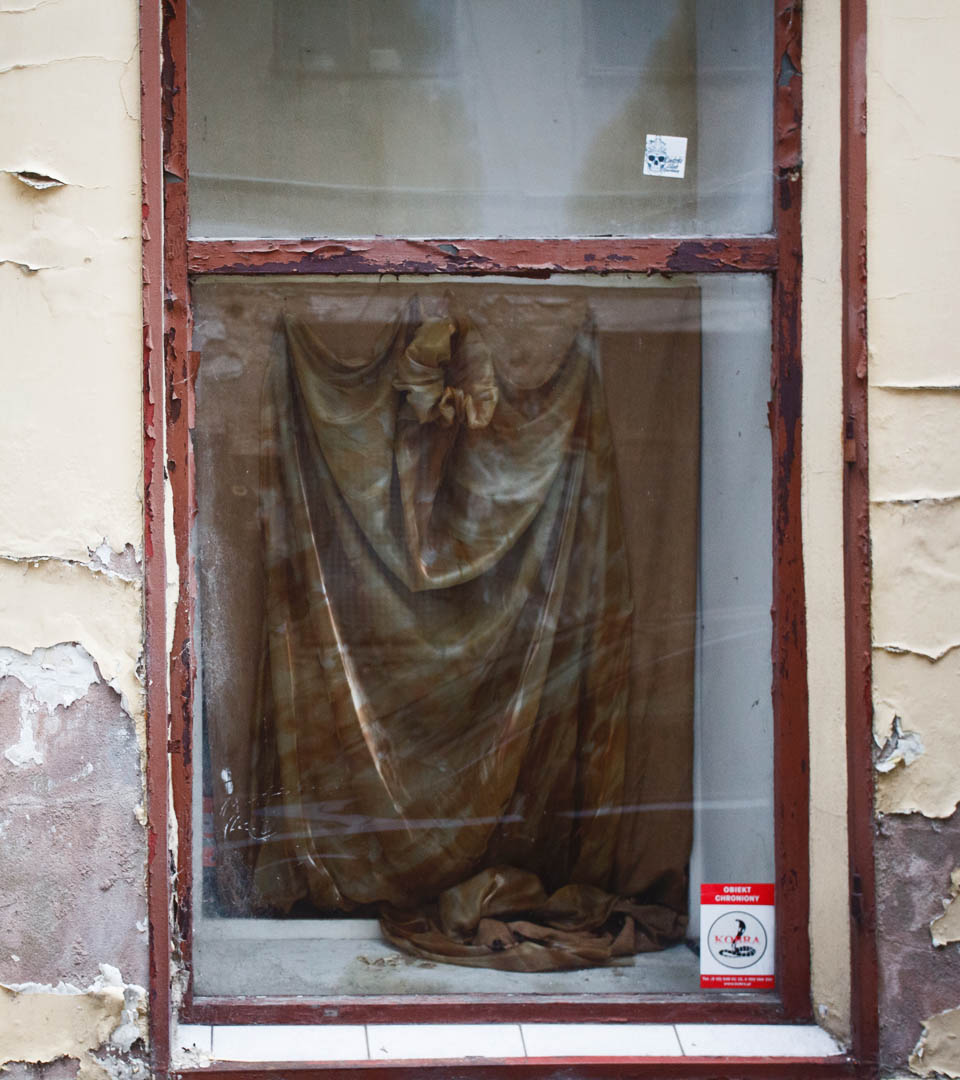
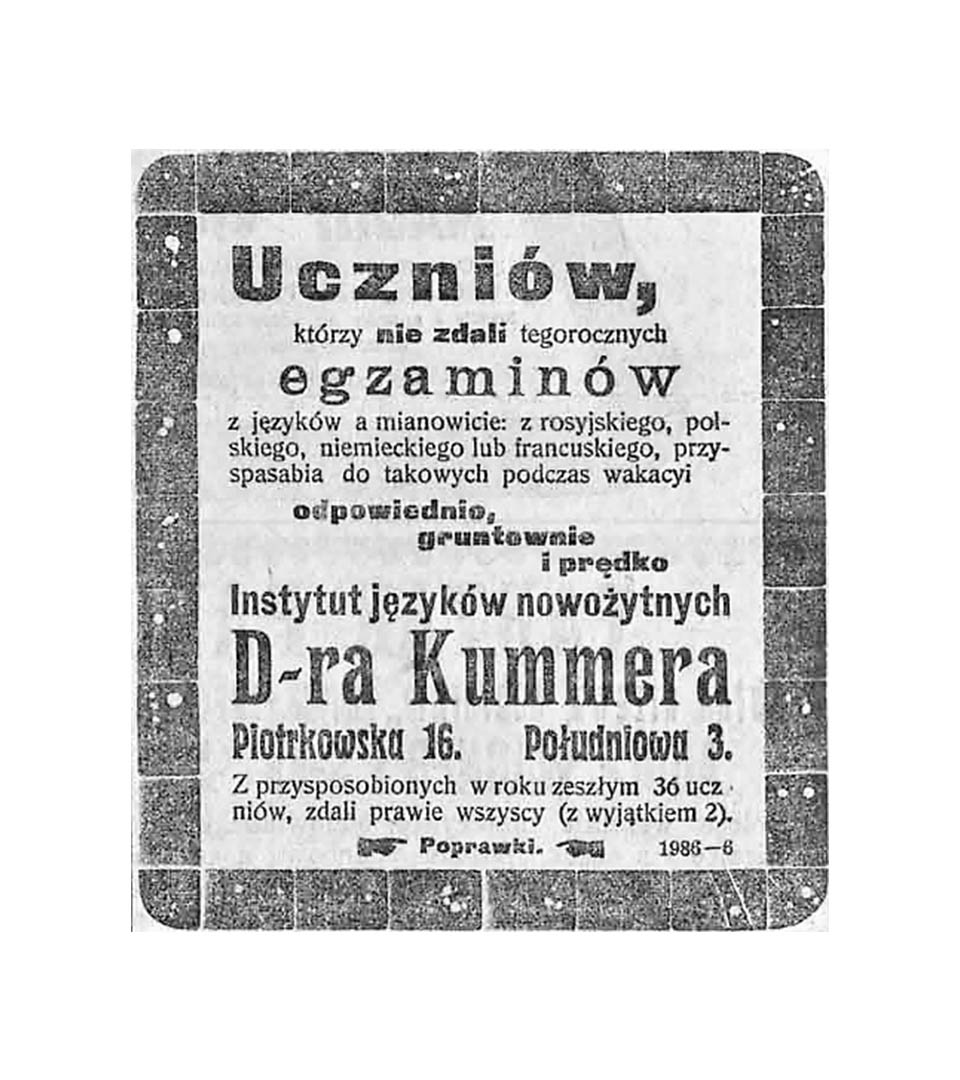
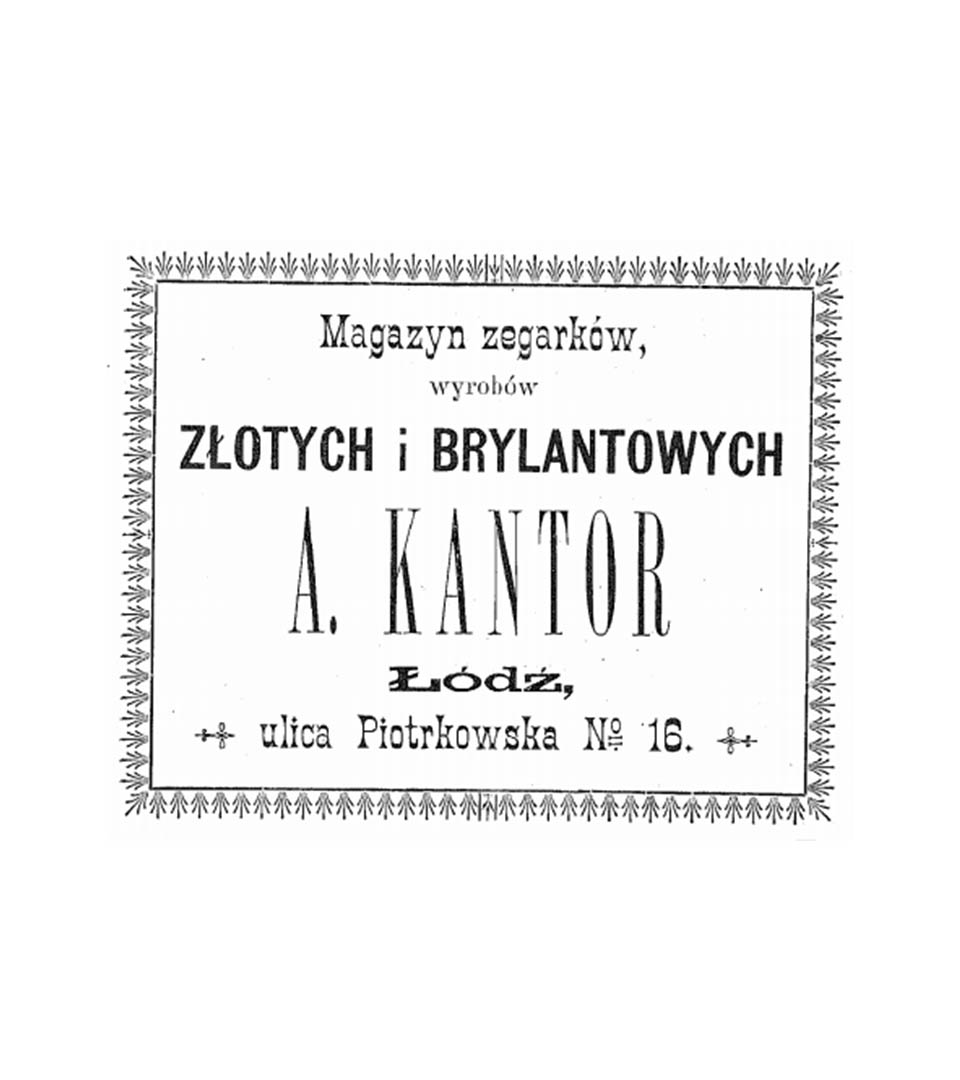
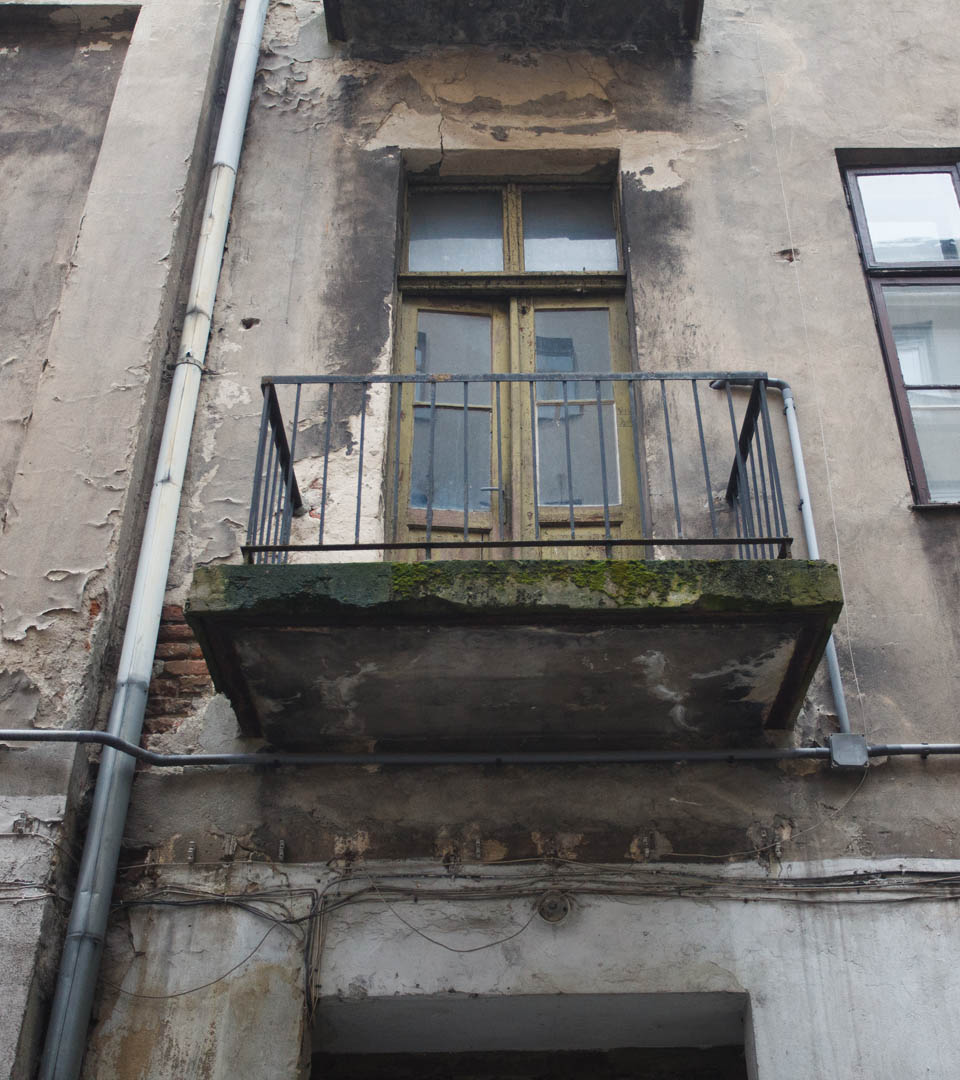
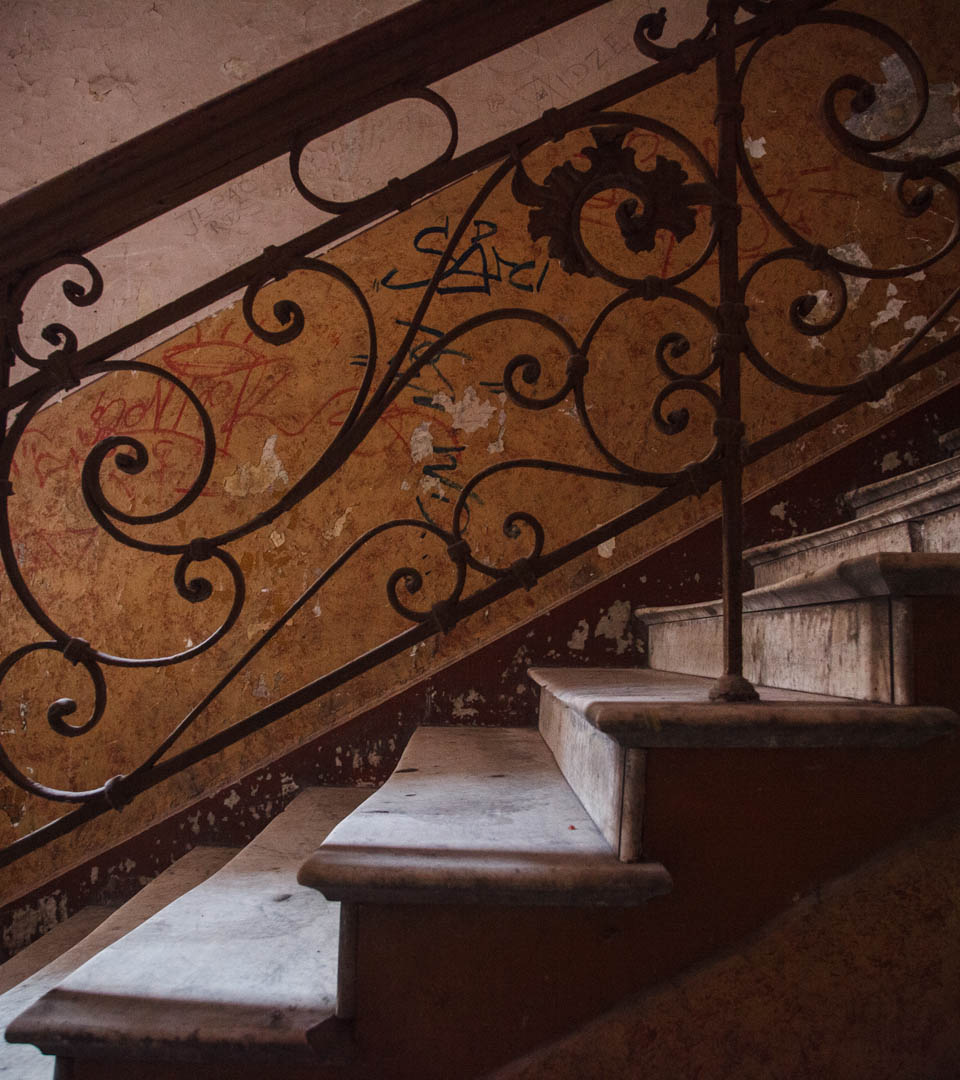
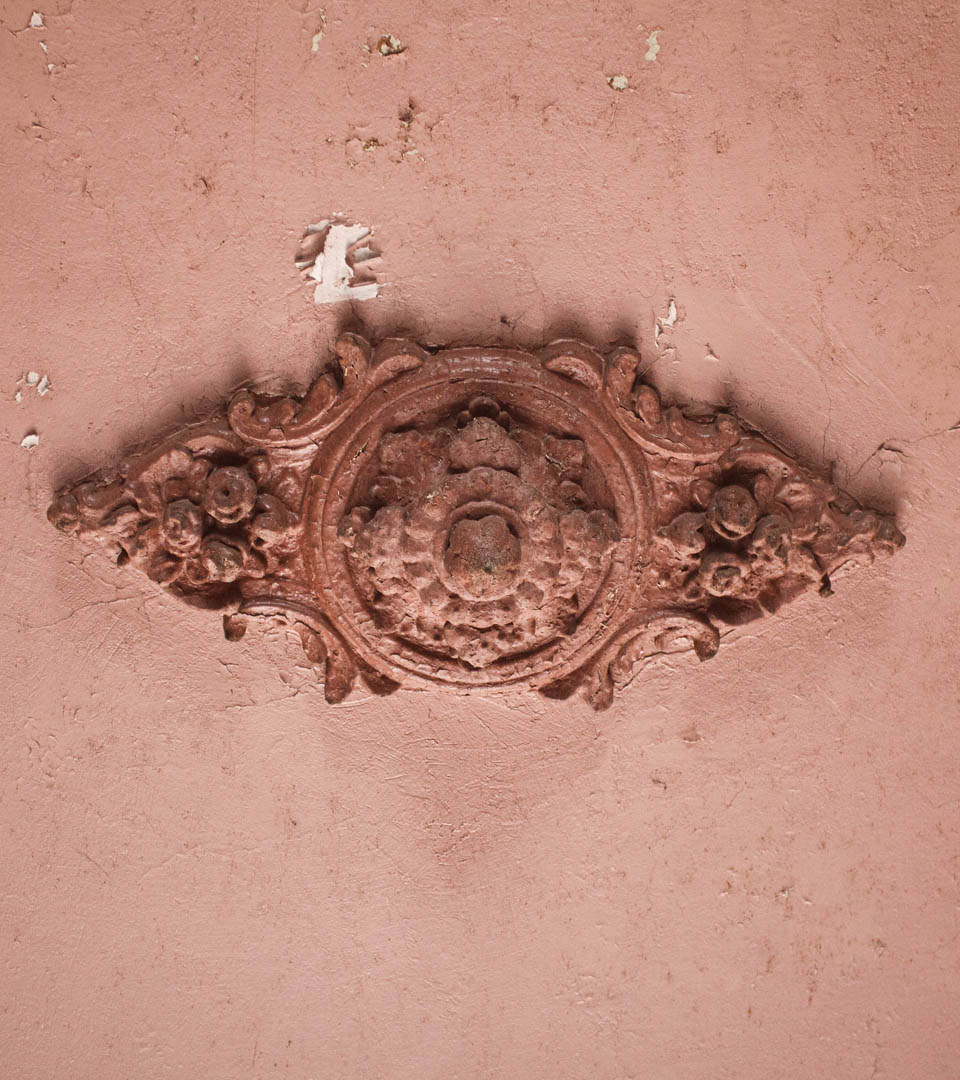
Łódź, Piotrkowska 16
From 1901, a Jewish accounting and publishing company owned by Abram Fajwel Mittler (who died in the Łódź ghetto in April 1941) operated here. Among other things, it printed literary analyses that were popular among students. At the beginning of January 1907, Kazimierz Biedrzycki, owner of the Fine Arts Salon, opened an art school and a permanent exhibition hall here. The school offered three courses of study: painting, sculpture, and technical drawing.
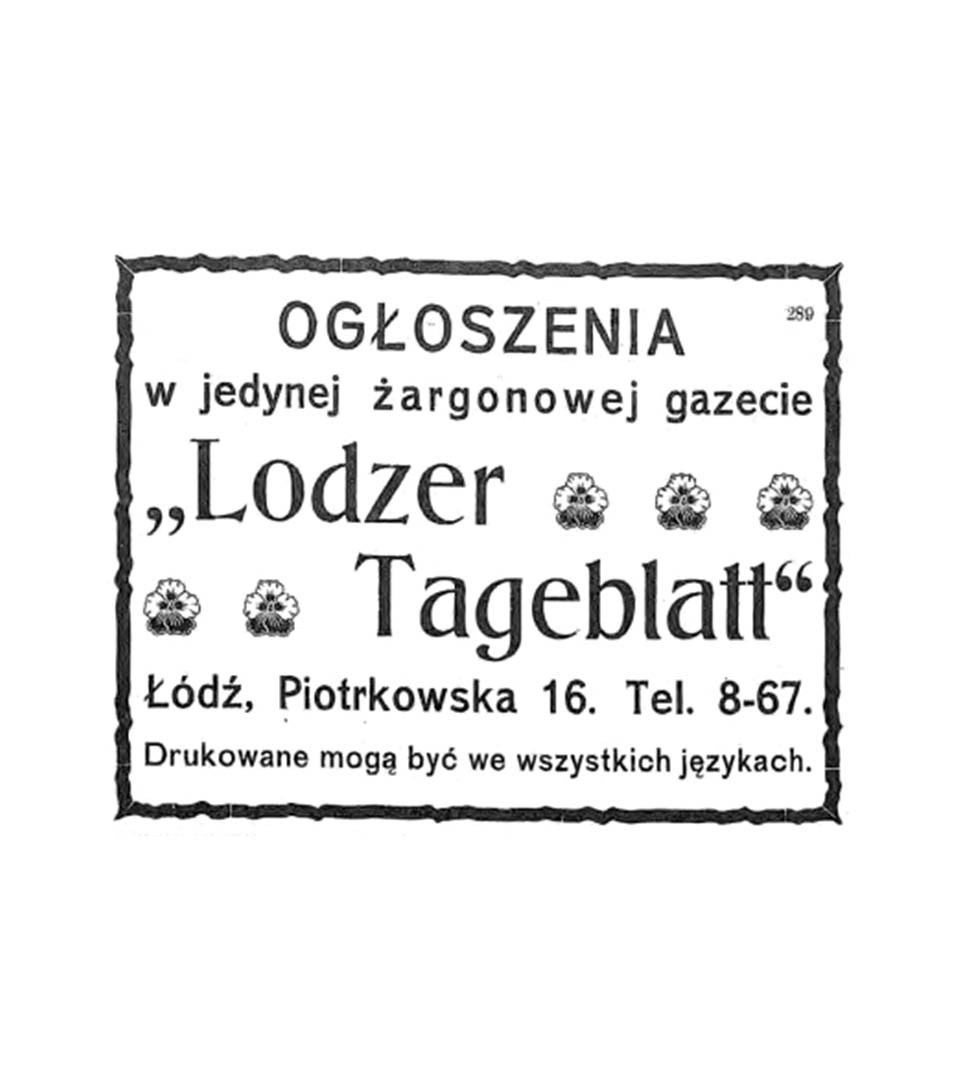
The tenement house housed a translation agency and a language school teaching Polish, Russian, English, French, and German. The school used the Camil method. From 1911, Piotrkówska 16 was home to a printing house that published the Lodzer Tageblatt newspaper. The publisher was Emmanuel Hamburski. Between 1912 and 1920, the tenement house was owned by Sury and Abram Majer Kapłan. The Orbis Travel Agency was located at 16 and 65 Piotrkowska Street, and before that, the A. Mauerberg Travel Agency.
Other businesses
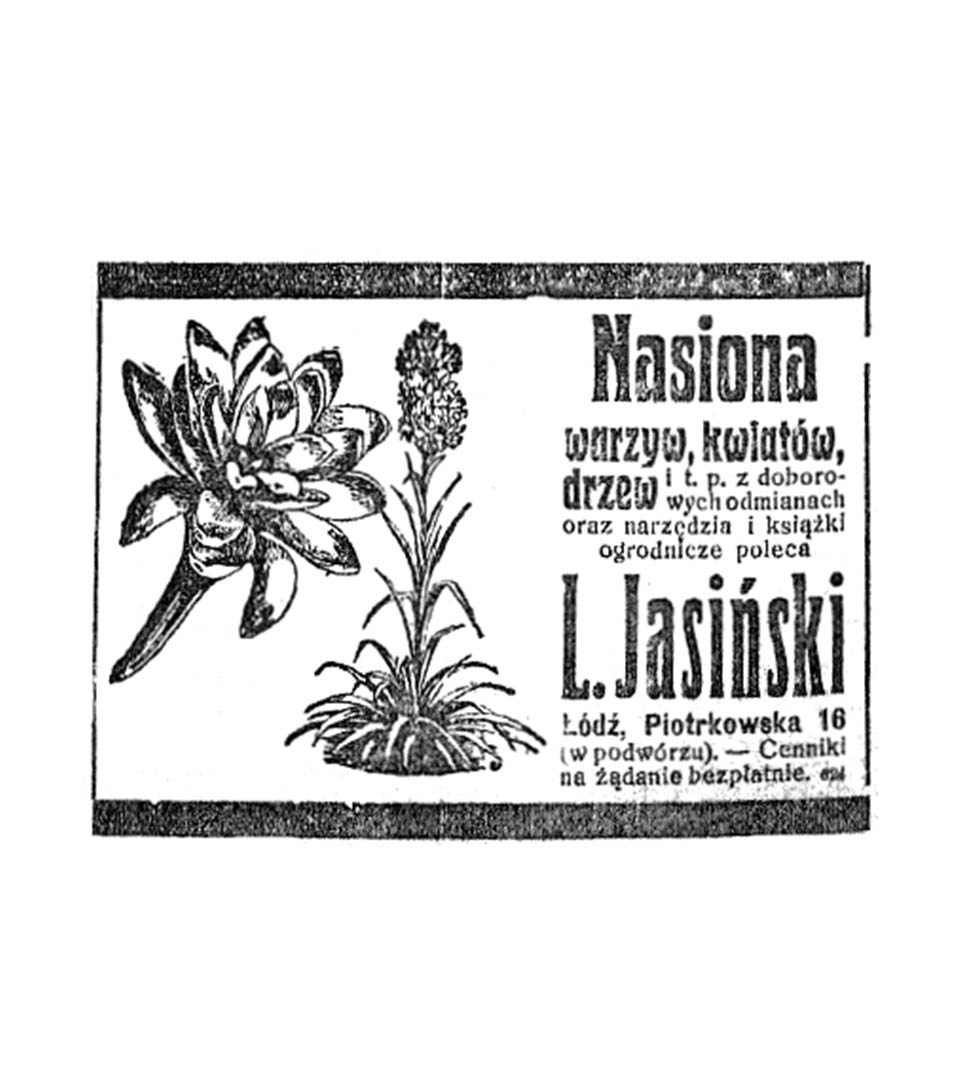
E. Stummann’s men’s underwear and ties, Stanisław Janicki’s barber shop, Jakób Israelsohn’s elbow goods, S. Silberbaum’s Pharmacy and Mineral Water Warehouse. A. Wust’s dry cleaning and dyeing shop, M. Jabłoń’s haberdashery, S. Stift’s engraving and seal engraving workshop, Sucher Lewkowicz’s women’s clothing and dress warehouse, “Pluton” coffee, chicory, and coffee substitute roasting factory, M. Milakowski’s fur warehouse, L. Jasiński’s vegetable, flower, and tree seeds, M. Grossbard’s diamond, gold, silver, and plated goods warehouse, R. Tasiemka’s women’s coats and hats, S. Tobolski’s wool and yarn warehouse, Sz. Dzięciarski’s kitchen furniture, A. Jakubowicz’s women’s hats, Gnatek N. and S-wie’s textile industry.
Until 1878, there was a wooden house and sheds in the yard on the property. Wanda Micińska became the new owner. She demolished the old buildings, took out a loan of 45,000 rubles from the Credit Society of Łódź, and built a two-story front tenement house and two three-story outbuildings. The building was then numbered 254, but the numbering was changed in 1891 and since then the tenement house has been numbered 16. In the 1880s, Dr. M. Misiewicz’s private clinic operated here. Because Micińska did not repay the loan installments on time, the property was put up for public auction. In mid-1881, Szmul Rosen became the new owner and from then on the building was called Rosen’s House. In 1900, it passed into the hands of his heirs, but only until the end of the first decade of the 20th century.
There was a Jewish bookkeeping and publishing company here, owned by Abram Fajwel Mittler. Abram Fajbuś (Fajwel, Fajwisz) was born in 1876 in Łódź, the son of Szlama and Hinda Brucha née Kowalska. After two years of effort, in 1901 he received permission to open a bookstore, which he initially ran in partnership with his father at 16 Piotrkowska Street, and in 1906 at 18 Główna Street (Piłsudskiego Avenue). Around 1926, Mittler handed over the book trade to his son Ezryl Lajbus, and devoted himself entirely to publishing. Between 1920 and 1923, he worked with an unknown partner (possibly L. Rosenstrauch or M. Pomeranc). Later, he ran a bookshop under his own name at 27 Wólczańska Street. He published over 180 works as a printer and publisher, some of them at his own expense. He published almost exclusively in Polish, specializing in literary analyses (including Książnica Krytyk Literackich [Literary Critics’ Library], with 54 volumes in the series published between 1928 and 1934), which were very popular among schoolchildren, as well as small-volume books for children and young people. The company was active between 1928 and 1934. After the outbreak of World War II, Abram Mittler was deported to the Łódź ghetto, where he died on April 18, 1941, and was buried in the cemetery on Bracka Street. His wife, Frajda Ruchla Landau, who died in the Łódź ghetto, is also buried in this cemetery in an unknown location.
At the beginning of January 1907, Kazimierz Biedrzycki, owner of the Fine Arts Salon, opened an art school and a permanent exhibition hall. The school offered three courses of study: painting, sculpture, and technical drawing. The teaching staff included sculptor Jerzy Leman, painters Ryszard Radwański, Franciszek Łubieński, Edward Grajnert, and architect Kazimierz Sokołowski. Twenty students enrolled in the introductory course.
The 1907 newspaper Rozwój reported:
“From the arts: Finally, thanks to the long and strenuous efforts of Mr. K. Biedrzycki, owner of the Fine Arts Salon, permission was obtained from the Ministry of the Court to open an art school for women and men in Łódź. The need for such a school in our city is obvious; in fact, it is surprising that no one had thought of it before. Better late than never. A group of young artists living in Łódź, feeling the need to establish an art institution here, energetically set to work together with Mr. Biedrzycki, whose efforts with the authorities were crowned with success.
The aim and task of the above-mentioned school is to provide society with worthy workers of beauty, so that when they come into contact with people in everyday life who are not exclusively devoted to the arts, they can sow the pure seeds of true beauty, promote a love of the visual arts and, in this way, contribute to raising their level and to the artistic education of society as a whole. For without art and beauty, we would fall into barbarism!
Although the general public is interested in art, it is not able to respond to it appropriately, precisely because of a lack of education in this field. Therefore, we are witnessing something unheard of: society today is almost constantly misled by incompetent “art critics” who are everywhere. This deplorable phenomenon can only be stopped by establishing serious art schools, which should also include practical lectures and seminars for people working in the crafts. This is the premise behind the new school, which is opening evening courses in manual, technical, and construction drawing, which can be attended by people who do not have time during the day. In addition, theoretical lectures necessary for those studying the fine arts will also be held in the evenings. These include artistic anatomy, art history, aesthetics, and perspective”
Now, a few words about the school’s management.
The teaching staff consists of young but already established people. Artist and sculptor Prof. Jerzy Leman studied art in St. Petersburg and traveled to Paris at the expense of the St. Petersburg school. For the last five years, he has been a professor of drawing at a business school. Prof. Ryszard Radwański, after graduating from the Academy of Fine Arts in Krakow, where he was awarded two government prizes, namely a silver and bronze medal, went to Italy to continue his education. The artist and painter Mr. Fr. Łubieński, after graduating from the Krakow Academy, continued his studies in Munich. He excels in landscapes and beautifully recreates still lifes, with his colorful flowers being particularly popular. Moreover, in Warsaw, he attracted the attention of art experts with his painting, currently exhibited there, entitled “Modelka” (…)”
(…) Prof. Edw. Grajnert studied at the Krakow Academy and was also awarded two medals. He then went to Italy and stayed in this wonderful country for over 8 years in the cities of Florence, Venice, Rome, and others. In addition to painting, he devoted himself to special studies of perspective, and also compiled “An Artistic Guide to Rome,” published in 1903 by the Polish bookstore in Lviv.
The well-known architect Kazimierz Sokołowski, a graduate of the Riga Polytechnic, was invited to teach a course in technical and construction drawing. Prof. Rachlewicz undertook to give lectures on aesthetics. We know that the young school administrators are full of the best intentions, enthusiasm, and energy, and we wish them success with all our hearts.
This school is associated with a tragic event that took place a few months after its opening. Edward Grajnert, a lecturer at the school, was walking down the street when he was attacked by several individuals and shot dead. The painter did not belong to any party and was not politically active, and since he was not robbed, it is presumed that the killers mistook him for someone else. Workers from a nearby factory, seeing a man running, captured him, believing him to be one of Grajnert’s killers. Without hesitation, they took the captured man to the back of the factory and shot him. It later turned out that the man who had been killed was deaf and had nothing to do with the painter’s killers.
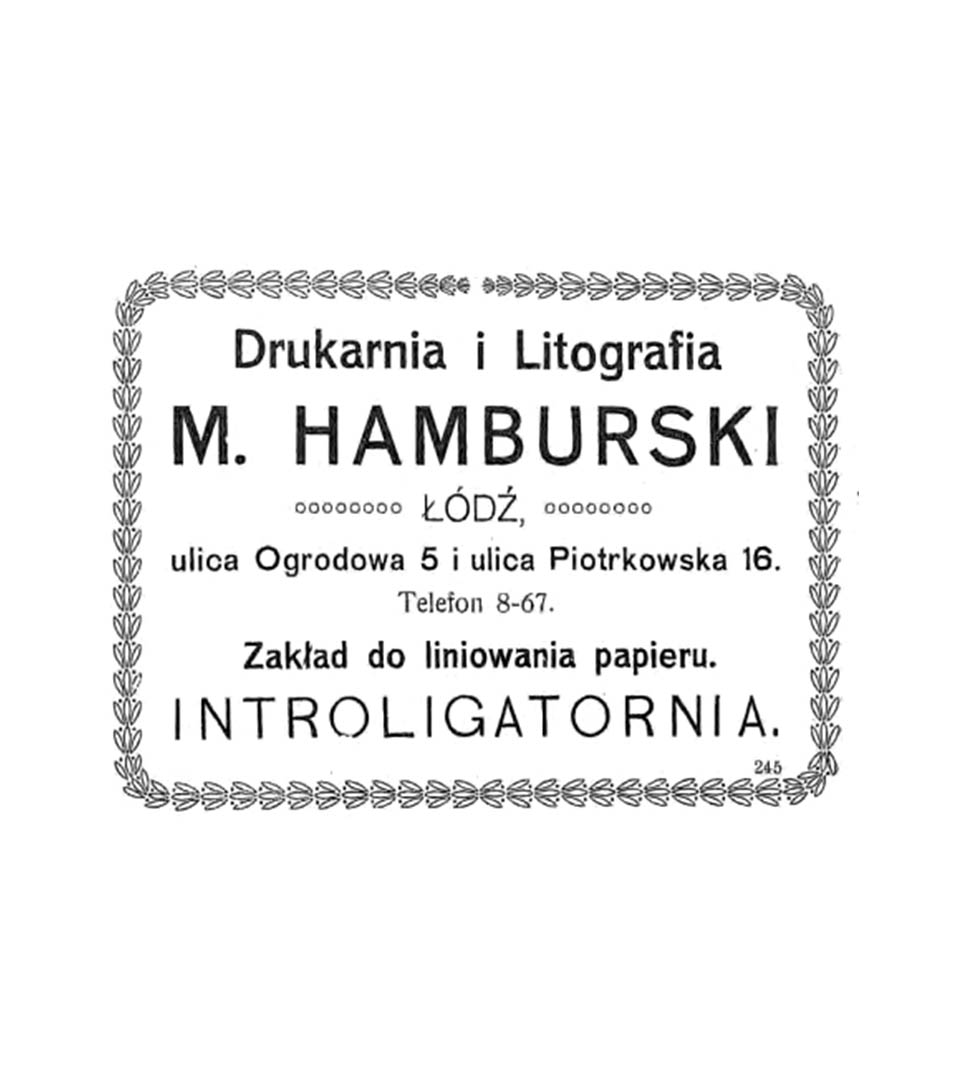
The building housed a translation agency and a language school teaching Polish, Russian, English, French, and German. The school used the Camil method. From 1911, Piotrkówska 16 was home to a printing house that published the newspaper Lodzer Tageblatt. The publisher was Emmanuel Hamburski. Emanuel Hamburski was born on October 14, 1871, in Łódź. He was a printer, printing house owner, newspaper editor, merchant, and social activist. He was the son of Mojżesz (Hersz Moska) (1840–1888), a commercial agent, and Perła née Prusinowska (1839–1902), brother of Mendel (1864-1941) and Szaja Lajba. On December 2, 1894, he obtained a license to use a small manual printing press. From 1895, Emanuel Hamburski’s Lithography and Printing House was operating at 3 Nowomiejska Street, and in 1898, the plant was already operating at 3 Ogrodowa Street and was growing. He printed jobbing work for Łódź entrepreneurs, but specialized in the production of school notebooks. He owned the “first Łódź factory for ruling and producing notebooks” at 3 and 5 Ogrodowa Street (in 1904, he produced 5 million of them). From 1906, together with his brother Mendel, he ran the printing house, initially at 3 Ogrodowa Street, and later at 16 Piotrkowska Street, until the company went bankrupt in July 1931.
Mendel Hamburski, Emanuel’s brother, was a co-owner of the printing house at 3 Ogrodowa Street, which was later moved to Piotrkowska Street. In 1908, he received a permit to publish the newspaper “Łodzier Łebn,” but for unknown reasons, the newspaper was never published. He married Rywka Gitla née Ferenbach and had three children: Szlama, Pinkus, and Perła. He lived at 3 Cegielniana Street (today Jaracza Street). He died in the Łódź ghetto in 1941 and was buried in the cemetery on Bracka Street.
News from July 25, 1931:
A few weeks ago, Emanuel Hamburski, editor of the Lodzer Tageblatt, passed away. Since then, all efforts to continue publishing the newspaper have failed. Mr. Hamburski was a wealthy merchant, president of the Merchants’ Association in Łódź, an active Zionist worker, and founder and collaborator of many cultural institutions. Between 1905 and 1917, Hamburski published 28 books and brochures in Yiddish, Polish, and Russian, including Abraham Tenenblum’s Geshichte fun Łodz un łodzer Jidn (1909). In 1908, together with Shaya Uger (1873–1939) and Abram Tenenbaum, he founded the first Jewish daily newspaper in Łódź, Łodzier Togbłat (The Łódź Daily), in which, as publisher, he “displayed great inventiveness and journalistic flair.” He was also an editor and author of articles in this newspaper. In addition, in the 1920s, he ran a paper warehouse and sold stationery. Together with his wife Chawa, he owned a property at 55/57 Północna Street. He was an active Zionist activist. He held various positions in professional and social organizations: President of the Central Association of Merchants and Industrialists of the Łódź Province, Member of the boards of: the Association of Printing and Lithography Owners, founded in 1907 and based at 8 Przejazd Street,
the Council of the Fourth Łódź Mutual Credit Society,
President of the Łódź Jewish Society “Chesed-Szel-Emes” (Last Service),
Vice-President of the Board of “Linas Hacedek” (from Hebrew: Honest Lodging),
Member of the Board (cashier) of the Łódź Jewish Music and Literary Society “Hazomir” (“Nightingale”) with its seat at Spacerowa Street (now T. Kościuszki Avenue) 21.
Between 1912 and 1920, the owners were Sury and Abram Majer Kapłan.
The Orbis Travel Agency, and previously the A. Mauerberg Travel Agency, had its headquarters at 16 and 65 Piotrkowska Street.
Other businesses:
E. Stummann’s men’s underwear and ties, Stanisław Janicki’s barber shop, Jakób Israelsohn’s elbow goods, S. Silberbaum’s Pharmacy and Mineral Water Warehouse. A. Wust’s dry cleaning and dyeing shop, M. Jabłoń’s haberdashery, S. Stift’s engraving and seal making shop, Sucher Lewkowicz’s women’s clothing and dress warehouse, the “Pluton” coffee, chicory, and coffee substitute roasting factory, M. Milakowski’s fur warehouse, L. Jasiński’s vegetable, flower and tree seeds, M. Grossbard’s warehouse of diamond, gold, silver and plated products, R. Tasiemka’s women’s coats and hats, S. Tobolski’s Wool and Yarn Warehouse, Sz. Dzięciarski’s Kitchen Furniture, A. Jakubowicz’s Women’s Hats, Gnatek N. and S-wie’s Textile Industry, A. Kantor’s Watch, Gold and Diamond Products Warehouse.