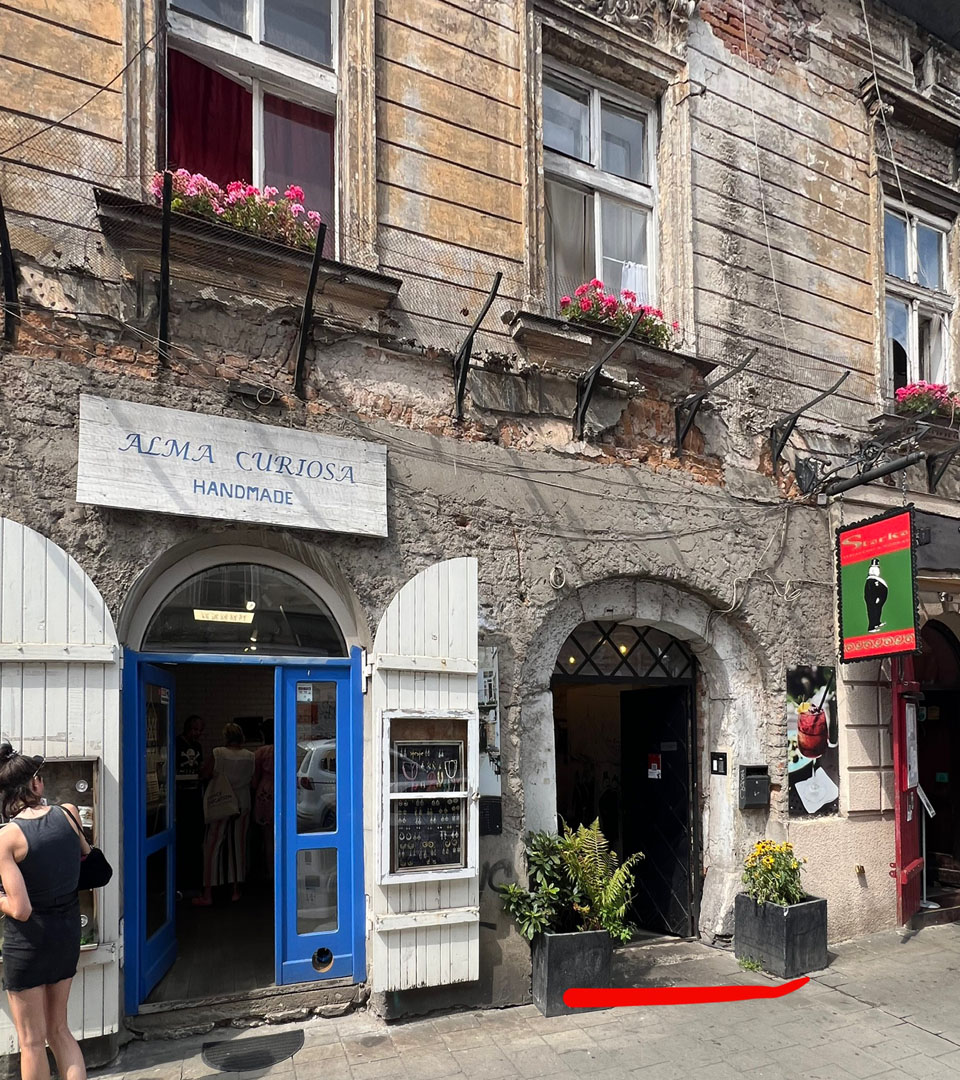
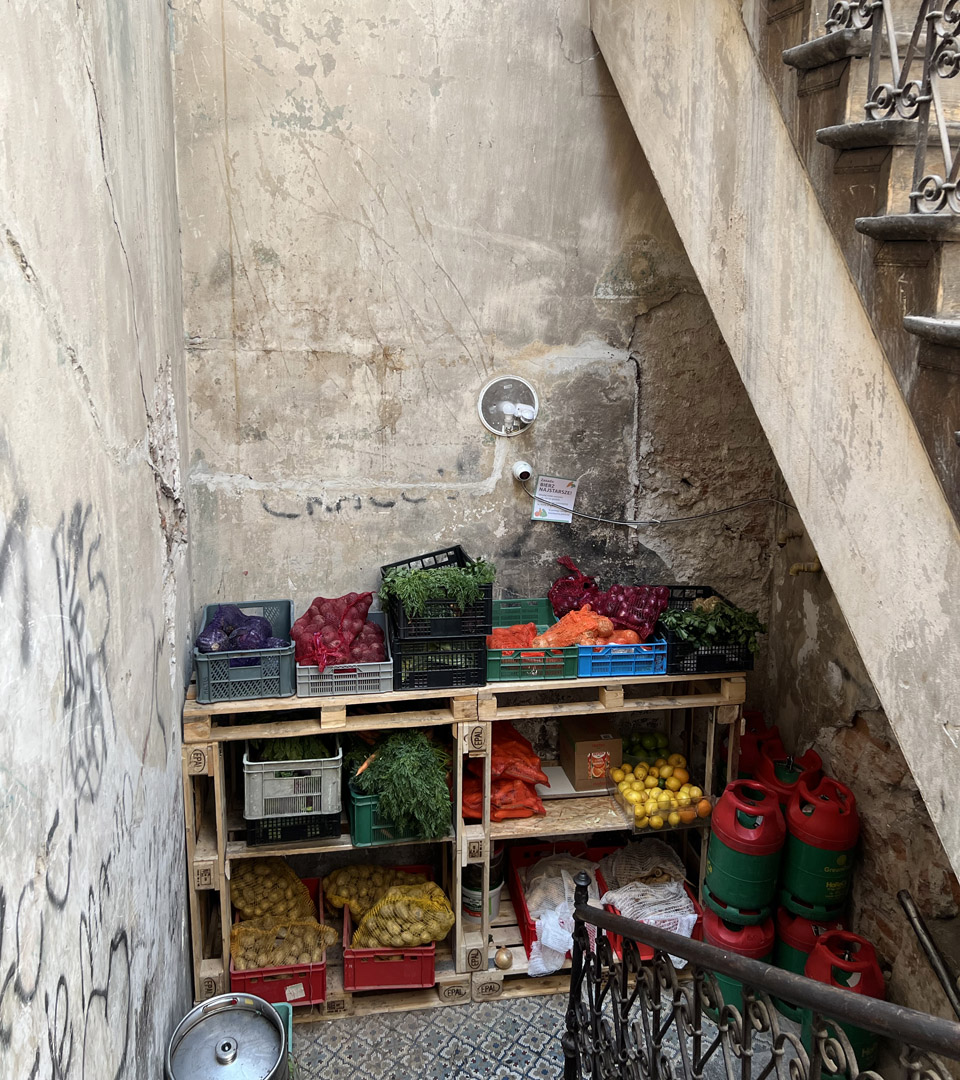
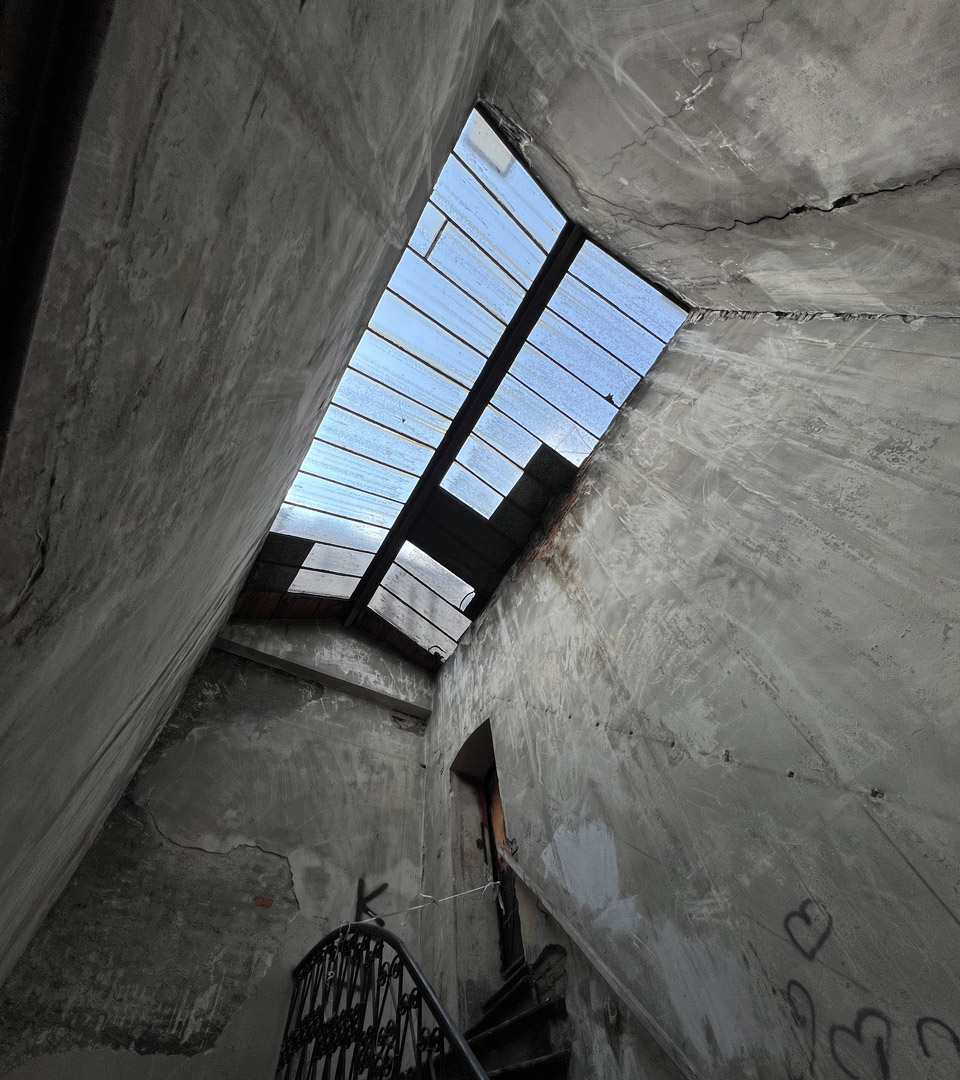
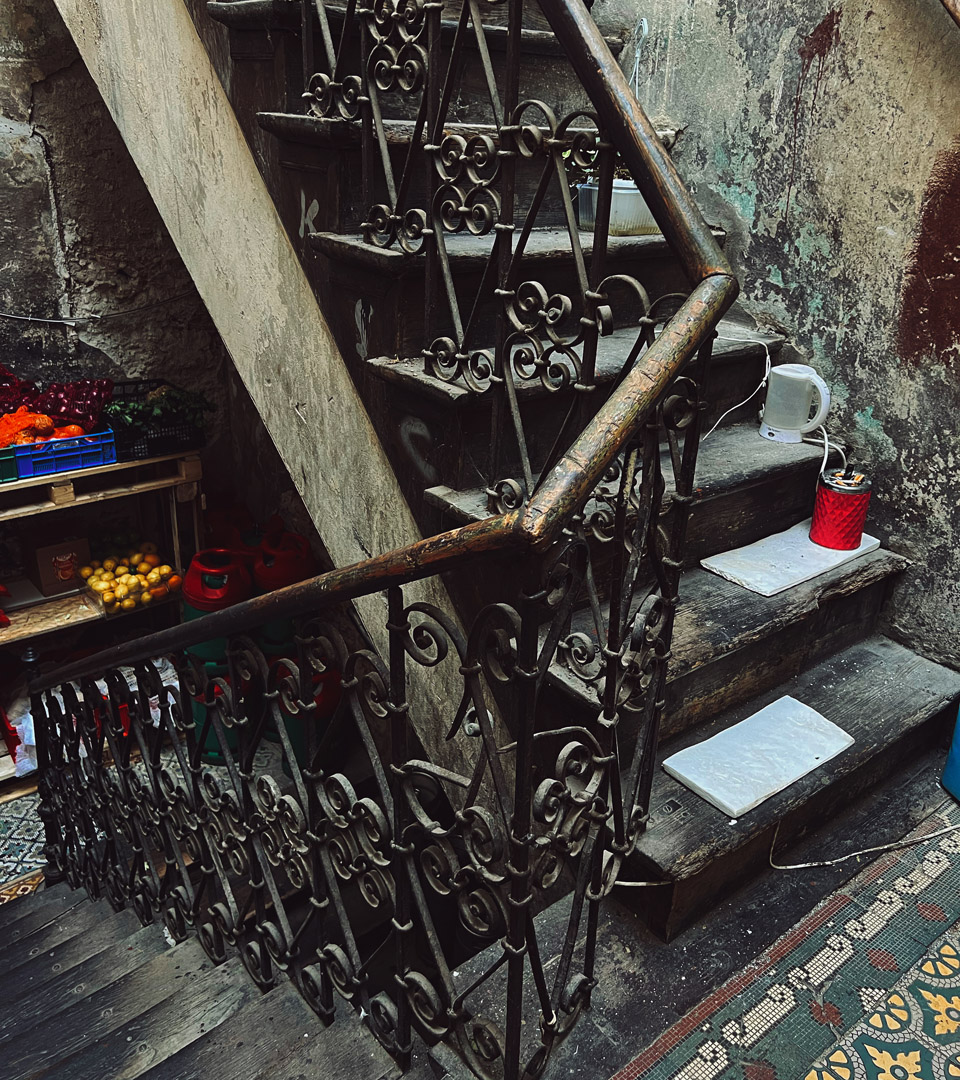
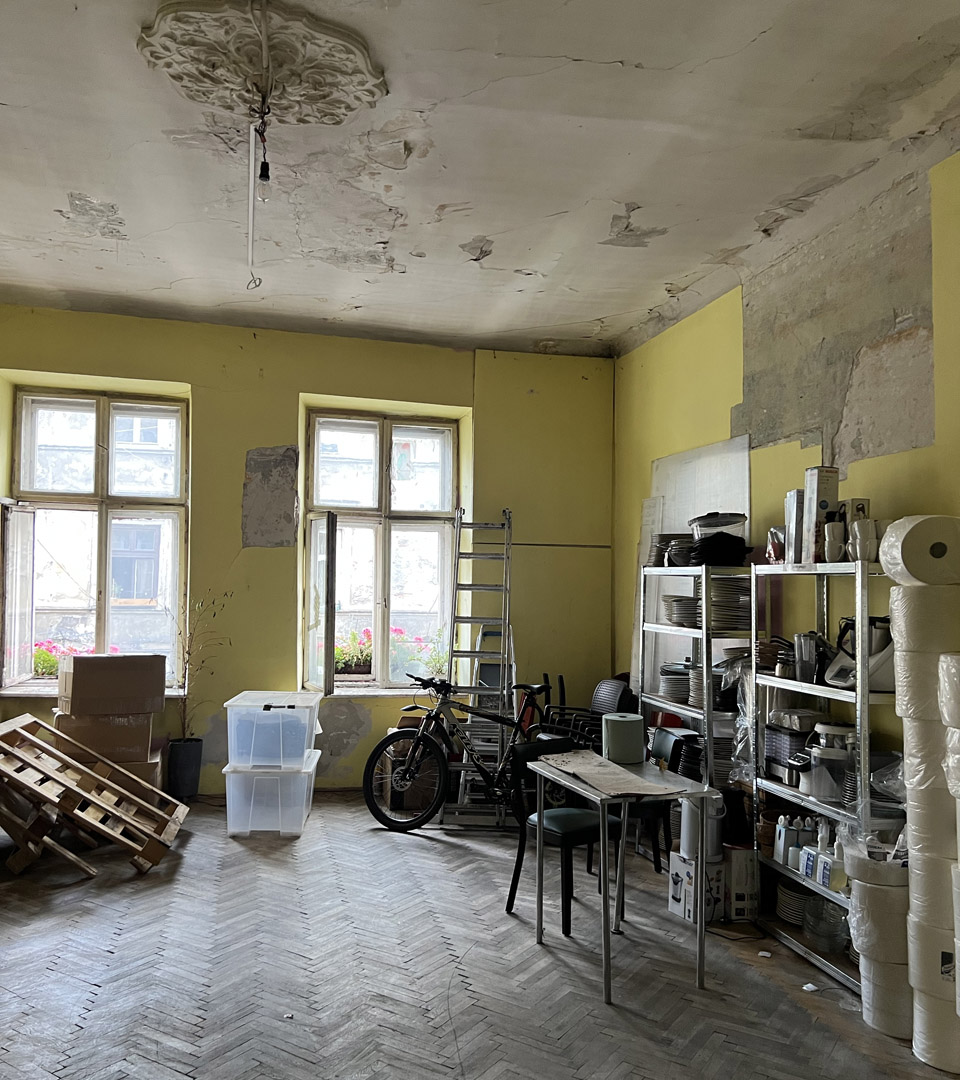
The tenement house at 14 Józefa St., originally built probably in the 18th century, is dated to 1840, and after alleged reconstructions – finally to 1901. At that time it was owned by the wealthy Hasidic merchant Wolf Nattel (b. Feb 23, 1856, d. Oct 21, 1928) and his son Szlomo Salomon, who probably established a house of prayer (Beit Ha-Midrash “Kovea Itim”) and ran a wholesale and retail stationery store at this address.
They had the exclusive right to sell paper from Górnośląska Fabryka Celulozy – Upper-Silesian Cellulose Factory – both in southern Poland and for export to Palestine. Salomon Nattel (b. May 8, 1896, known to his family as “Slomek”) – an active member of the Krakow Jewish community from the “Union of National-Jewish Parties” (and a candidate for the “Appraisal Committee” in the 1924 elections for the Community Council) – survived the war thanks to the fact that he was staying with his son in Palestine then, and died of natural causes in 1977 in Tel Aviv.
His wife and cousin at the same time, Salomea “Sala” Natel (b. 1897), and their daughter Towa Gitla Gizela nicknamed “Zinka Giza” (b. 1927), were not so lucky. As another family member wrote from London in 1940: “My sister (…) wrote that Sala is their pillar of strength, to whom they owe a lot.” The letter ended with a handwritten note: “May God finally have mercy on the Jews.” Salomea’s letters to her husband and son in Mandatory Palestine have also been preserved. March 23, 1942: “Dear ones! We are healthy. I work in an office, and Zinka works with handbags. We think of you. Mom is healthy. Ryfcia is with us. We wish you a happy Purim. Stay healthy – Sala [and] Zinka.“ October 27, 1942: ”Dear ones! We are healthy. After her perityphlitis procedure, Zinka is working in tailoring, and I am working in saddlery. I am not going to the office. Stay healthy!” Unfortunately, both of them probably died later that year in the German Nazi Belzec extermination camp.
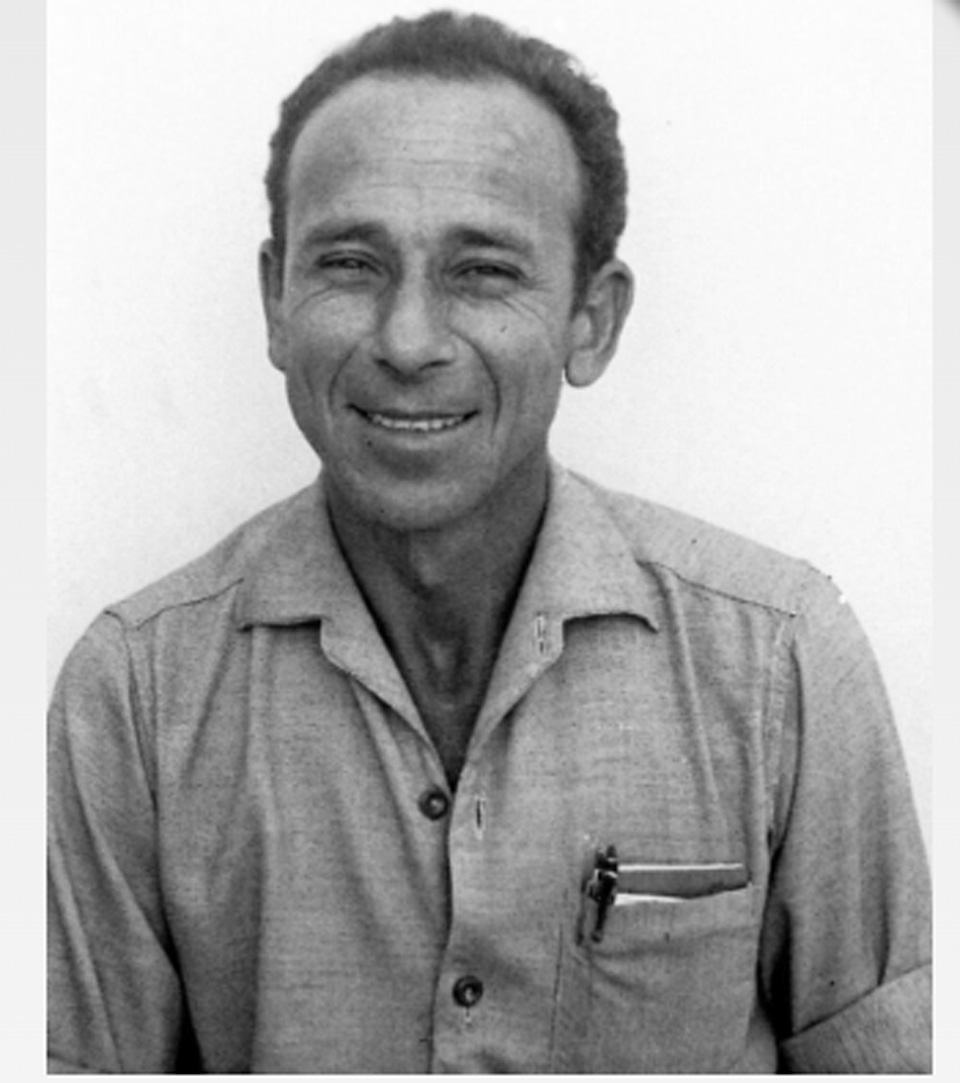
Jan Jakub Nattel – known as “Jankele” in his childhood when he attended a Hebrew secondary school in Krakow, and later as Jaakow Nattel (b. August 23, 1921, d. May 4, 1987) – was a staunch Zionist. In his obituary, it was written: “his grandfather was very religious, his father was not so strict in observing the commandments, and Jakub broke with religion at a young age.” He joined the Bnei Akiva youth movement and emigrated to Palestine in 1936, where his mother had previously prepared the ground for him and enrolled him in the Mikveh Israel Agricultural School. He then found work in agriculture and as a gardener in an orphanage. He excelled as a swimmer and athlete, and quickly joined the Palmach (Haganah strike forces) in preparation for a potential German invasion of the British Mandatory Palestine. He then worked with Jewish refugees in Europe organizing immigration and recruiting Haganah fighters for the yet-to-be-established State of Israel – for this purpose, he stayed clandestine in post-war Poland. Later, for three years, he was the treasurer of the HaAvoda (Israeli Labor Party) and coordinated civil constructions in the Ein Harod kibbutz and military constructions for the Israeli Defence Forces. With his first wife, Uriela, he had three children – Anat (b. 1946), Orly (b. 1954) and Rafi – and a host of grandchildren.
At the same pre-war address (14 Józefa St.), Jakób Lieblich, who was related to the Nattels, also ran a business (“colonial goods,” including “spice trade”). Jakób, who died on March 7, 1930, at the age of 62, was the brother of Gitla Nattel, née Lieblich (b. 1864 – d. June 14, 1919), the wife of the building’s owner. The Wiener and Sternberg’s company, on the other hand, sold scarves and handkerchiefs here. Other residents of the tenement house included Chane Lieblich, Majer Kanarek, Gitla Zins, innkeeper Leon Leib Schaumann, confectioner Eliasz Schönbach, and later, among others, Wolf Alexandrowicz the Talmudist (b. March 18, 1895) with his wife Maria and son Izrael.
It was in the courtyard at Józefa 14 in Kazimierz that a scene of conspiracy against Nikolai Repnin (the effective Russian ruler of Poland just before its partitions) was filmed on August 7, 1916, as part of a German propaganda film about Polish national hero Tadeusz Kościuszko (title: Tyrannenherrschaft, “Under the Yoke of Tyrants,” later known with Polish subtitles as Kościuszko’s Oath, screenplay by Alfred Deutch-German, directed by Franz Porten). The film was intended to encourage Poles to join the armies of the Central Powers and support the German vague promise of restoring Poland’s independence.
It can therefore be said that the history of the tenement house at 14 Józefa Street combines themes of independence for both Poland and Israel.
Historical study by Jan Wąsiński, genealogist. jan.wasinski@gmail.com