MEZUZAH
BIALYSTOK
Ludwika Waryńskiego 24a

$248.00

The idea:

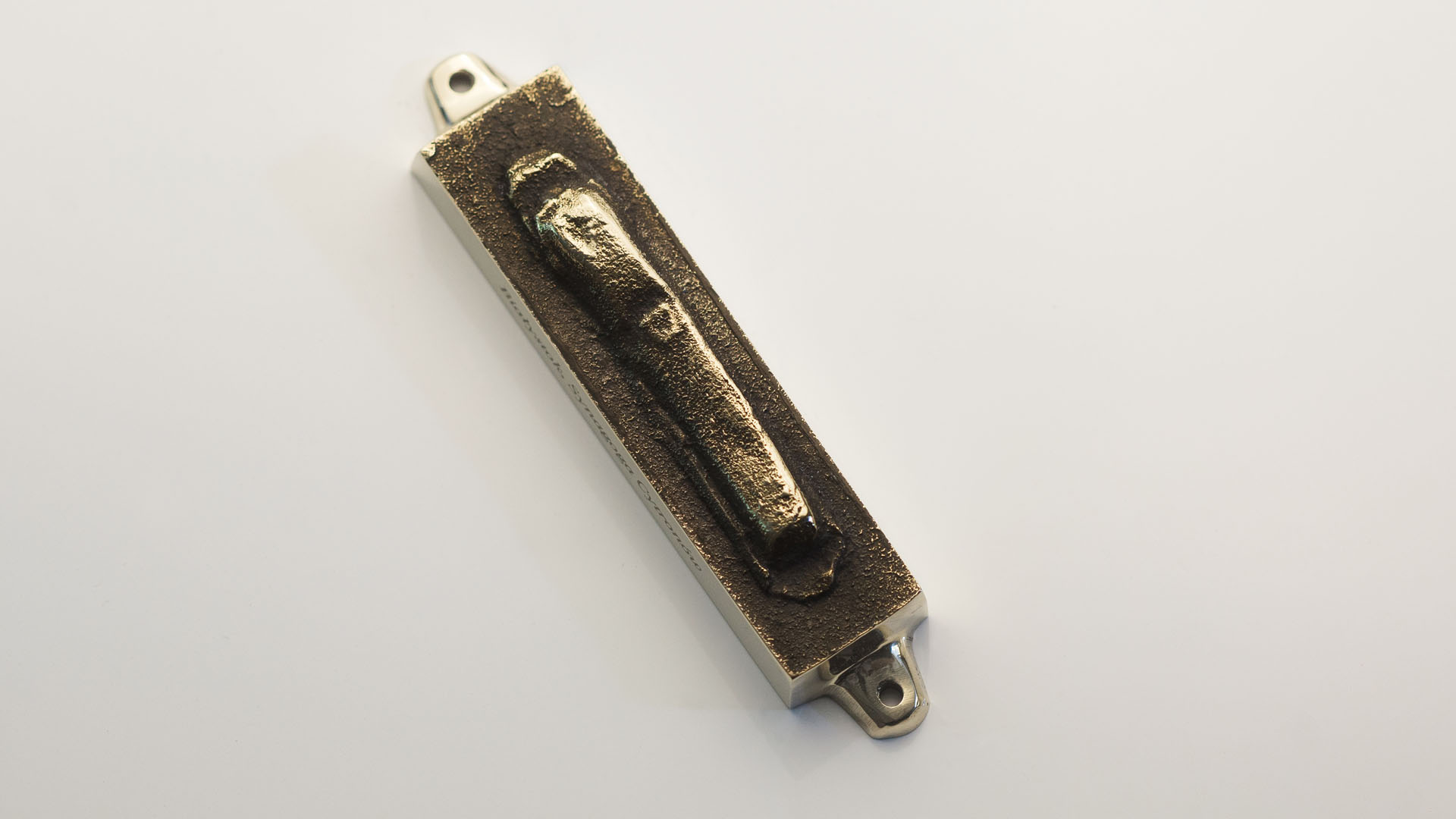
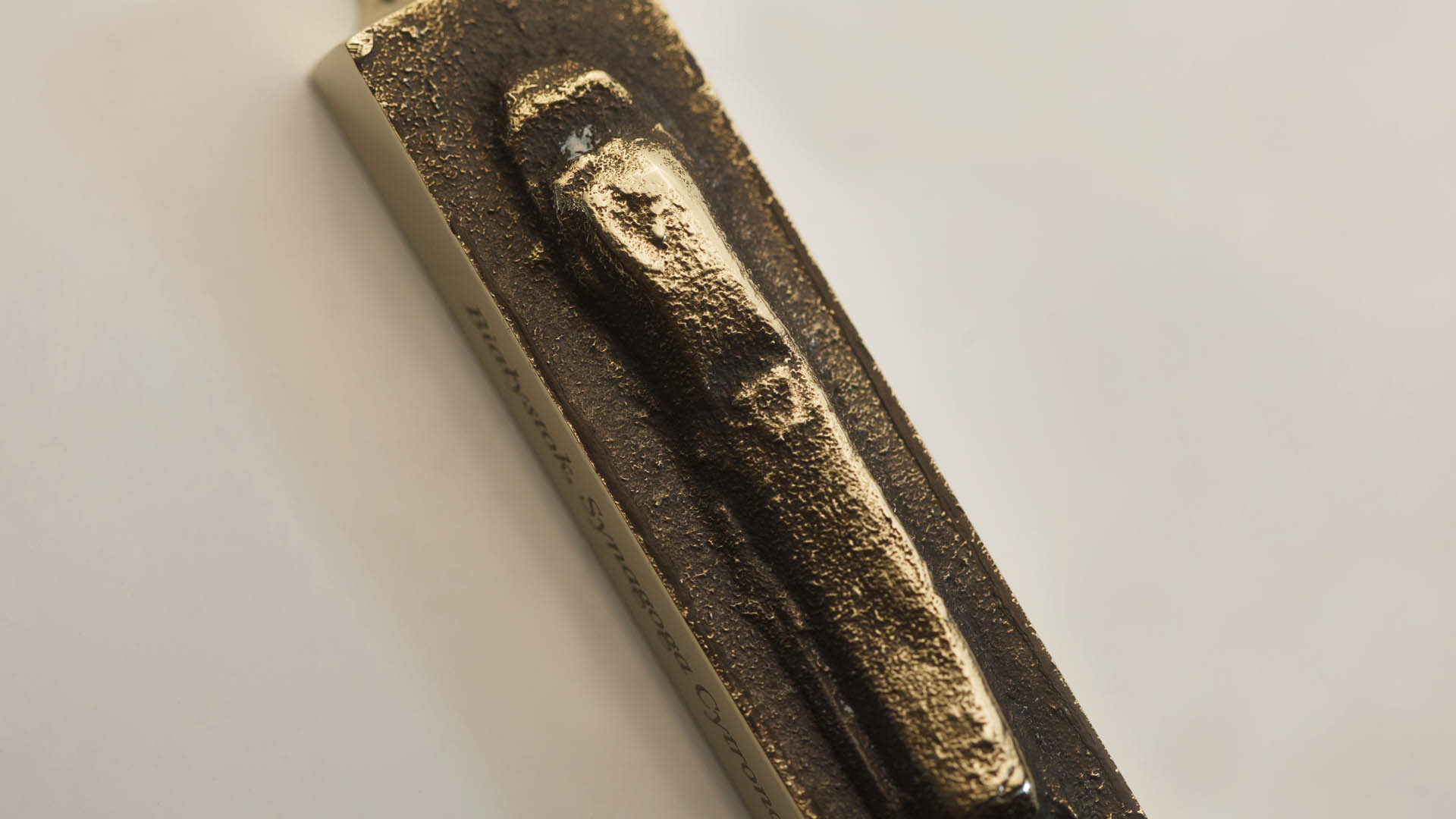
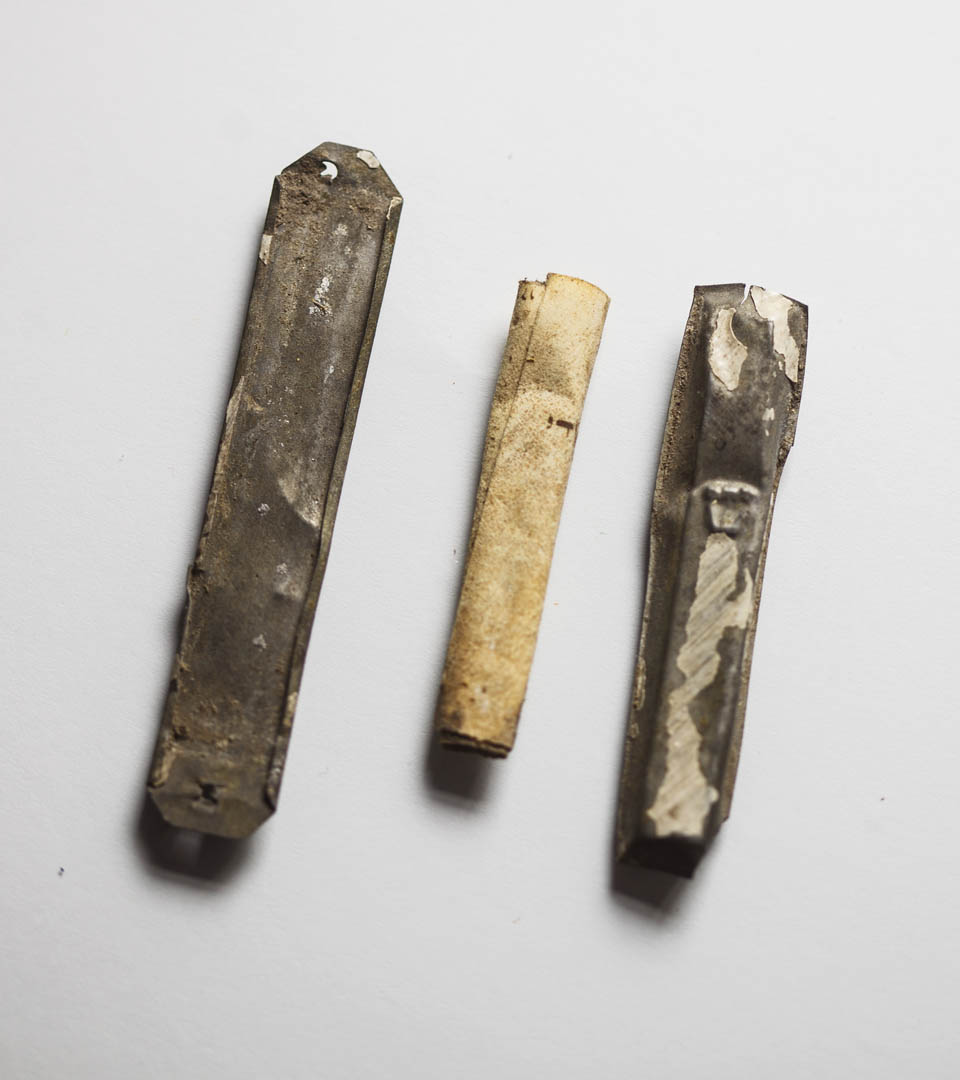
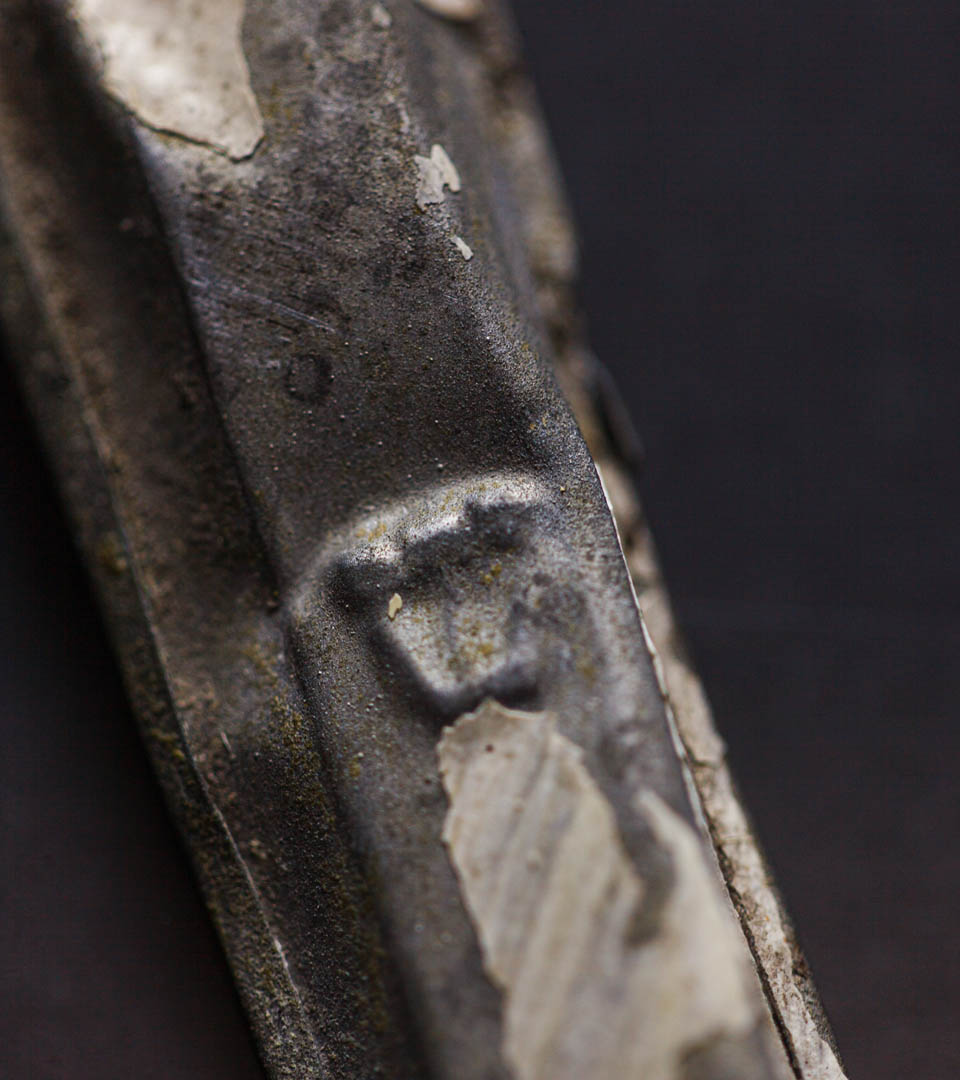
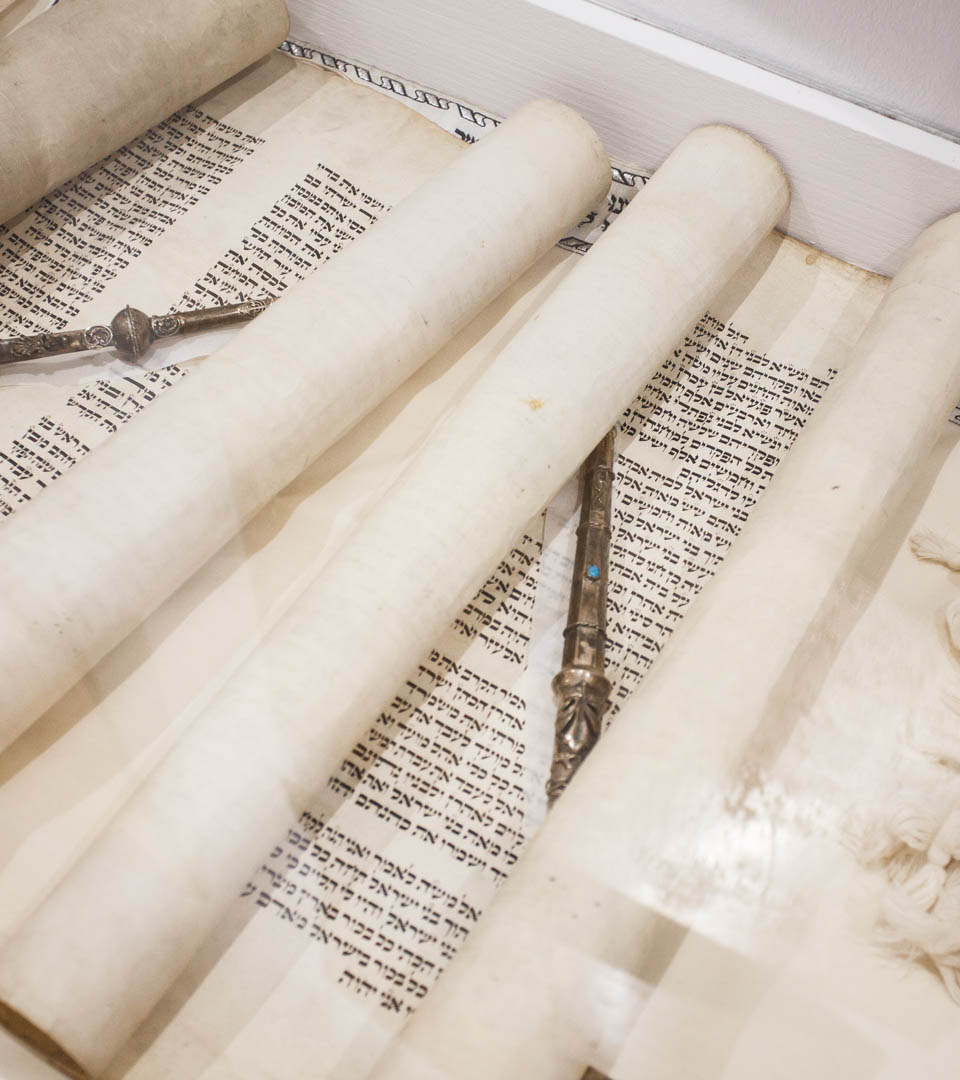
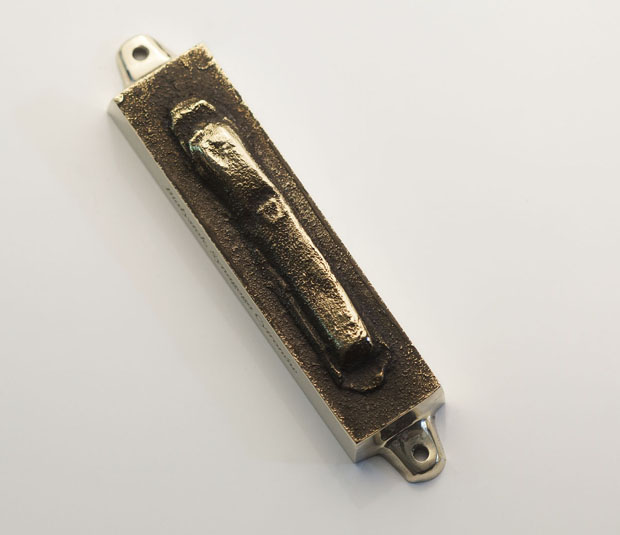
Bronze Mezuzah from Bialystok. This mezuzah is a bronze cast of imprint of the mezuzah trace found at the old tenement at Ludwika Waryńskiego 24 in Bialystok. We created a new mezuzah out of bronze to make the history tangible. Touching the mezuzah activates a link between past and present. MI POLIN – contemporary judaica brand from Poland.

Size

4,33” long / 0,78” wide

Material

Bronze

SET & PRICE

The given price is the final product price for a set consisting: product and a dedicated to this product e-booklet.

TAX

According to the latest August 2025 US customs tariffs, our products are exempt from duties and taxes. In exceptional circumstances, a customs duty of $5 may apply (for large orders).

SHIPPING

Fare starts form 48$ to USA and to most countries outside EU. We ship by UPS. 

Shipping info Worldwide UPS shipping rates starts:
Poland – always 5,5$
USA & CANADA - from $40
UE & UK - 22$
THE WORLD – 55$

Description

Learn more about mezuzuah from this home series

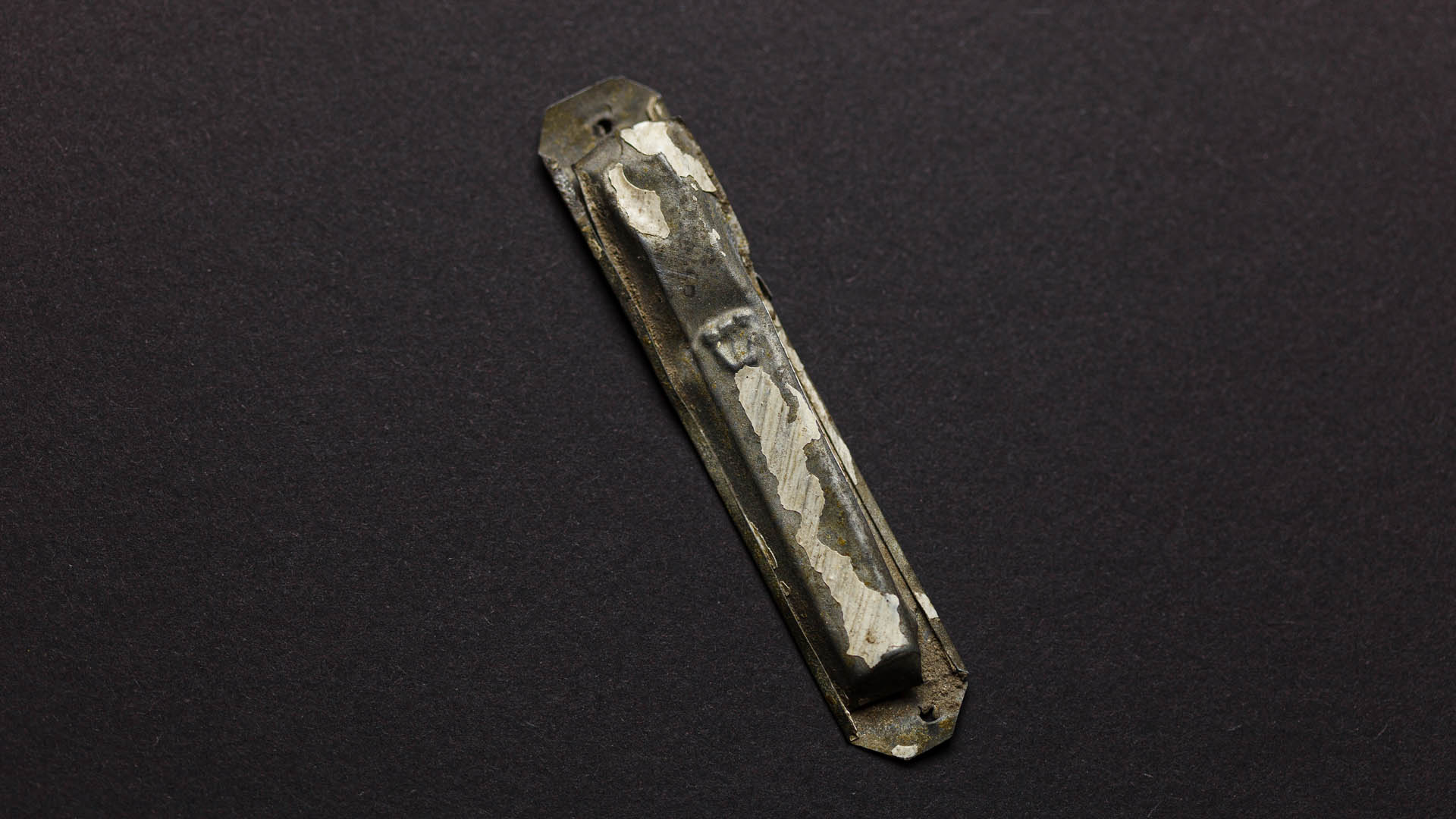
The trace of mezuzah

mezuzah container

new mezuzah - bronze cast of the trace

judaica mezuzah by MI POLIN Białystok

The story hidden behind

1 001
family

the family

The original mezuzah along with scroll was found in the former building of the Cytron Synagogue, Białystok, in the attic during roof maintenance few years ago. Our mezuzah is a reproduction of the original mezuzah.

ghetto

the ghetto

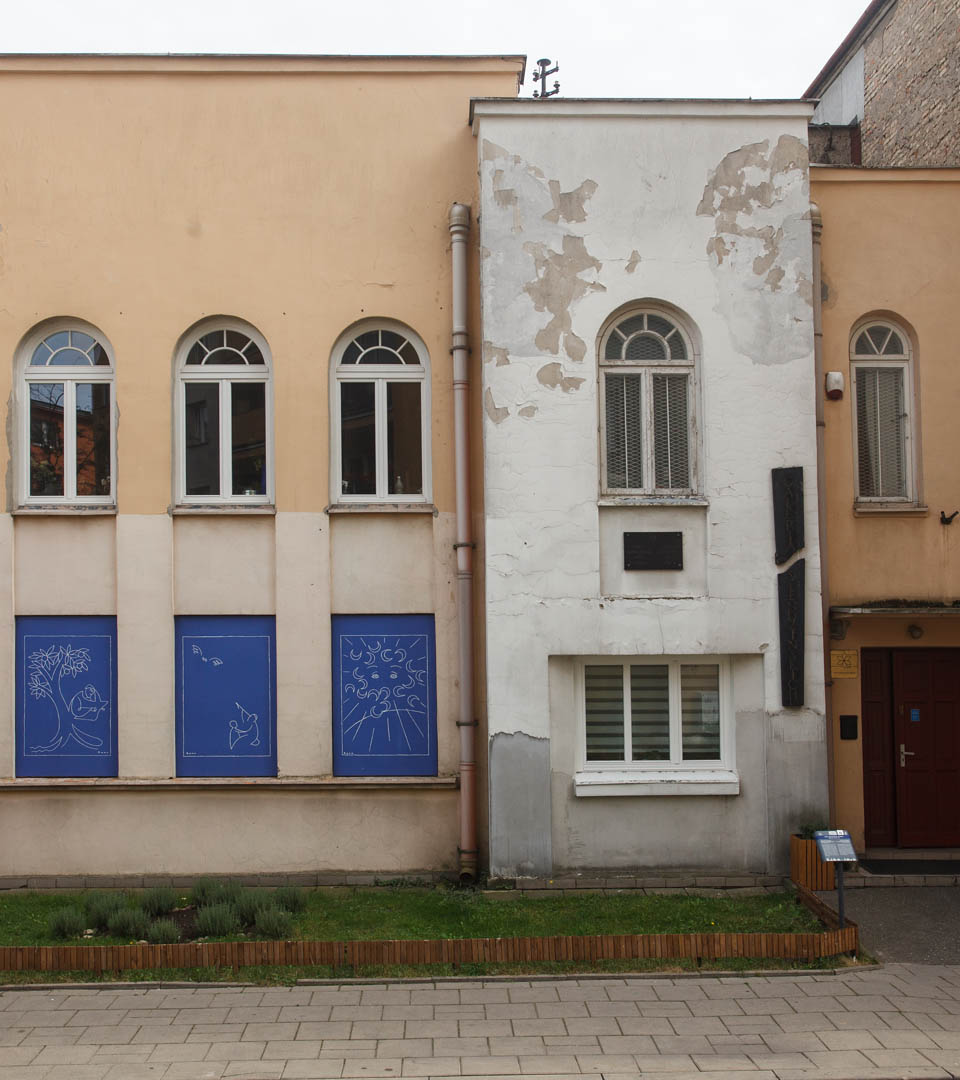
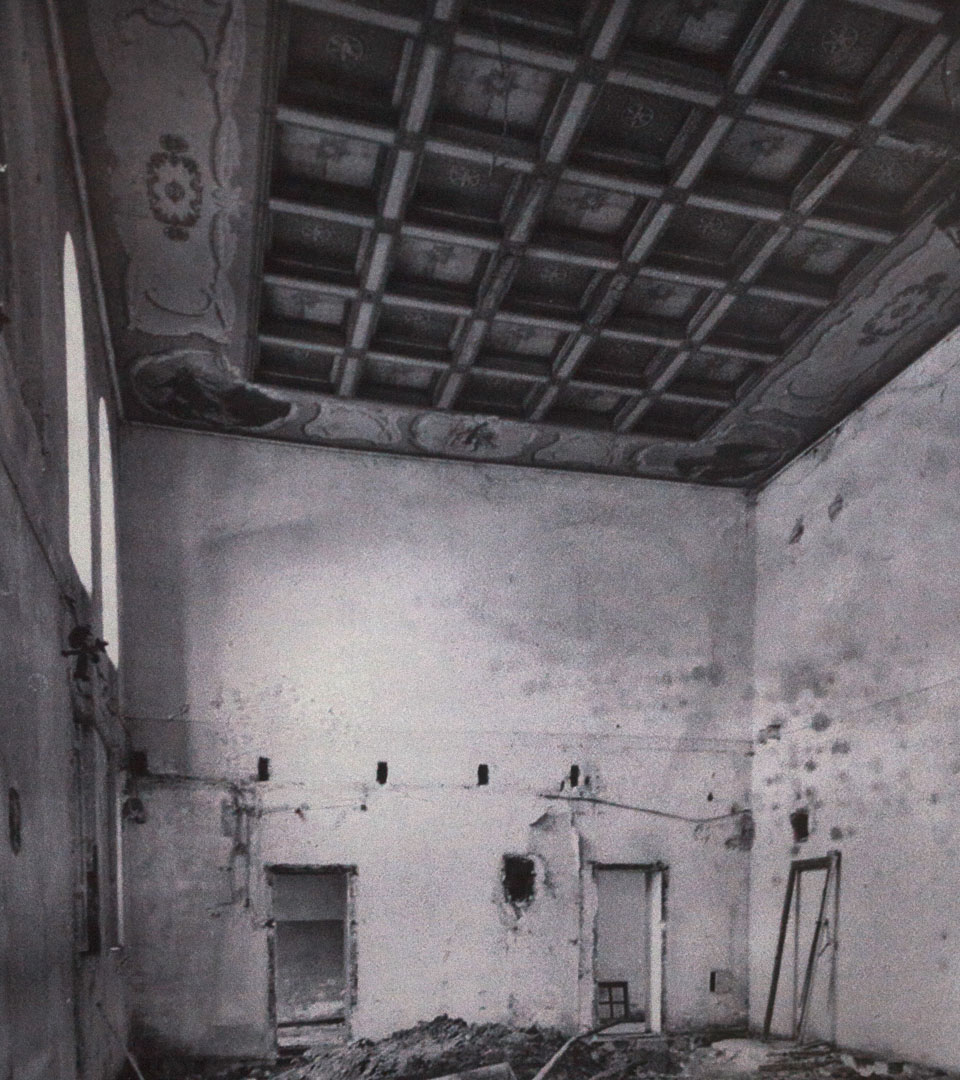
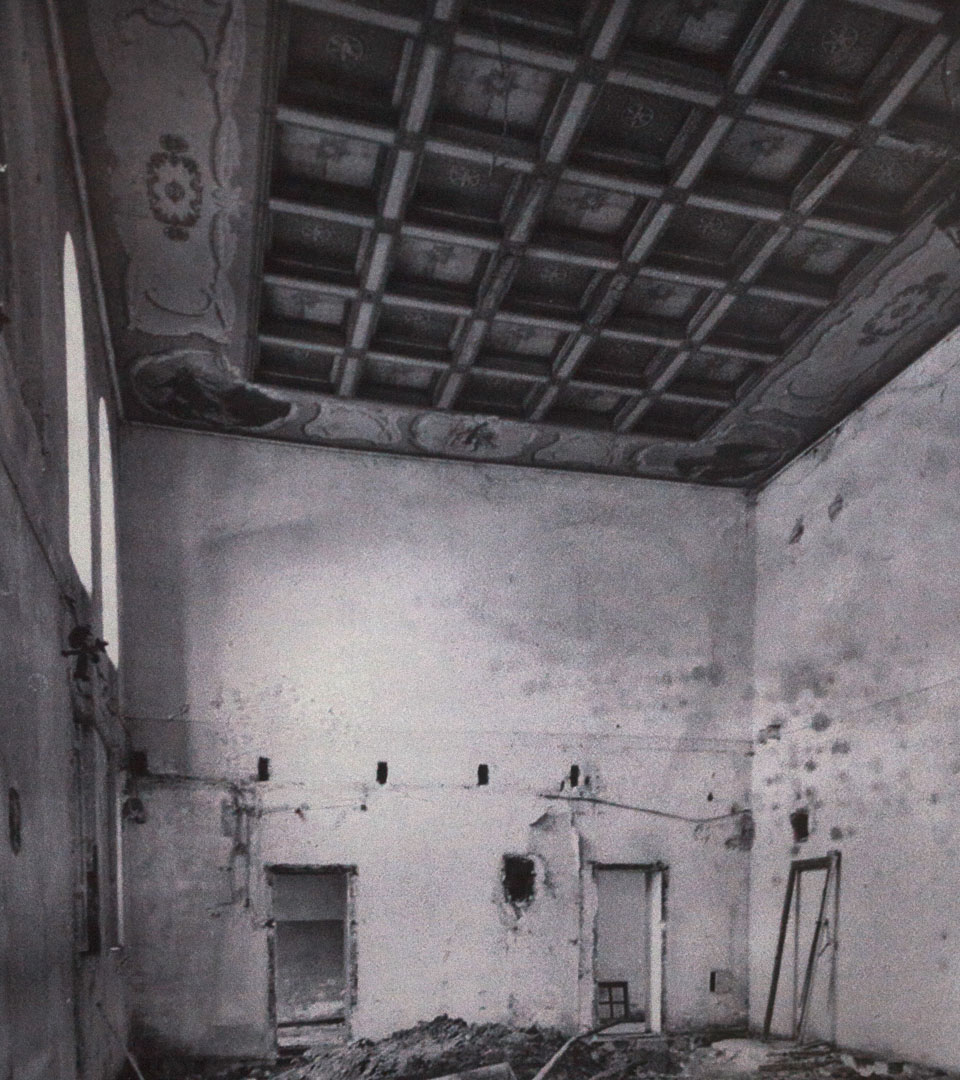
The Cytron Synagogue also known as the Beit Midrash Cytron, is a former Orthodox Jewish congregation and synagogue, located at 24a Ludwika Waryńskiego Street in Białystok funded by Shmuel Cytron, it served as a house of prayer until World War II.

1 005

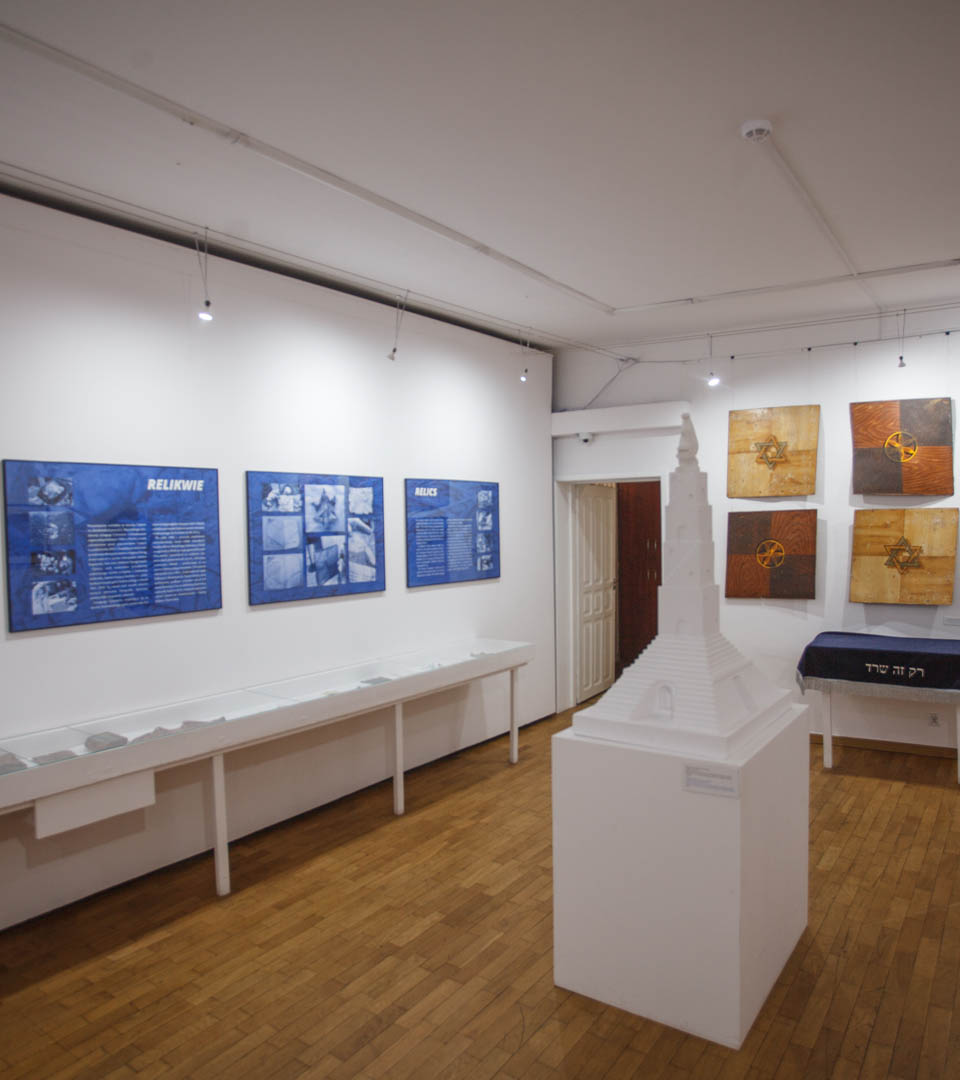
An extraordinary discovery in a former synagogue in Białystok. If it weren’t for the leaky roof, it would probably have remained hidden for several more decades. Decorative plates with Stars of David, fragments of books in Hebrew, and children’s clothes are just some of the treasures hidden in the attic of the former Cytron synagogue, which now houses the Jewish Culture Gallery.

The gallery has occupied the building at 24A Waryńskiego Street since 1992. Before World War II, it housed a Jewish synagogue built with funds from the Cytron family, a family of Jewish industrialists from Białystok.The synagogue operated from around 1937. In addition to being a place of worship, it also served as a cultural center and a library with religious books.

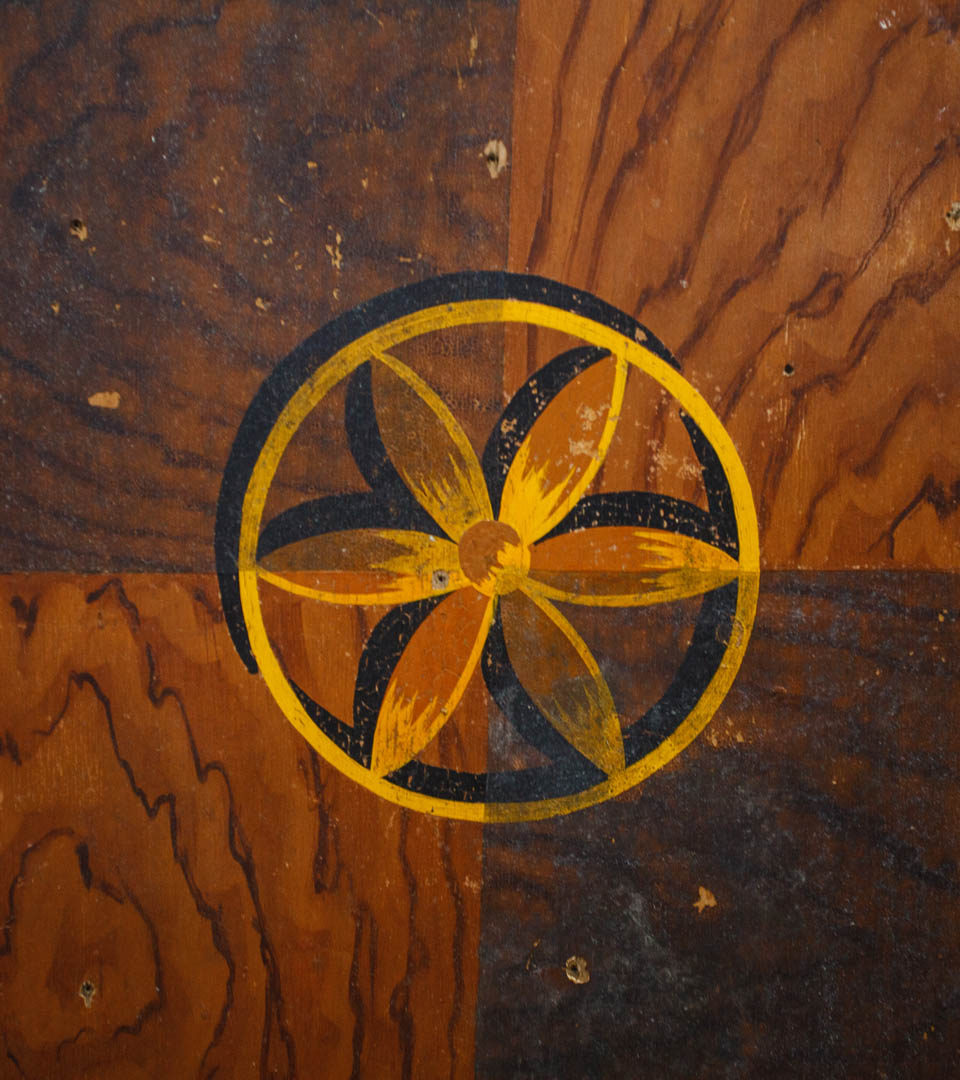
According to TVN24, wooden panels were found in the attic, which were originally used to cover the ceiling of the synagogue’s largest hall. They were painted with Stars of David and a rosette. They were removed and hidden, most likely during the communist era.

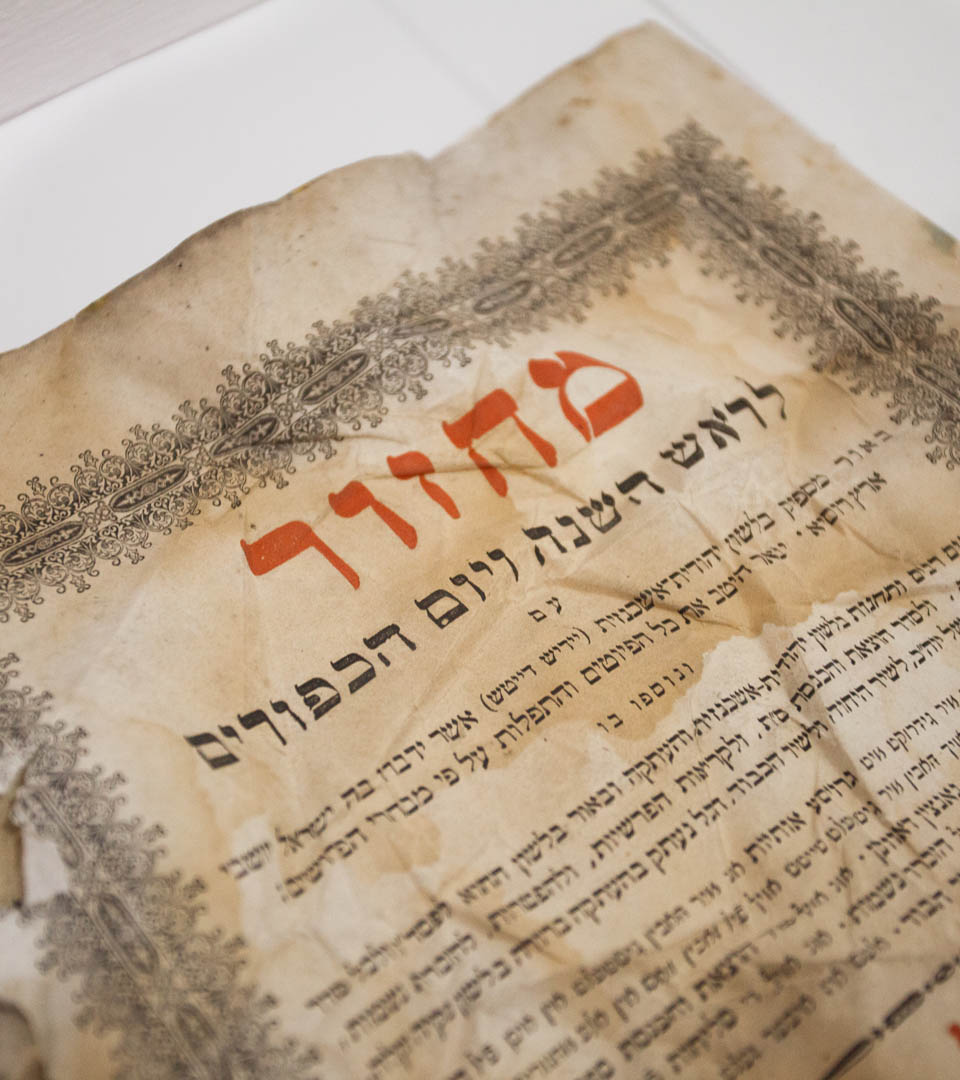
Many fragments of books in Hebrew were also found in the attic, as well as a volume of poems in Hebrew published on the second anniversary of Józef Piłsudski’s death and a fragment of an advertisement written in Polish.

“Unfortunately, none of the books have survived in their entirety. We have started working with Hebrew translators. We want to find out what the fragments we found say,” emphasizes Marta Pietruszko.Two donation boxes, items of women’s underwear, and two outfits for a one- or two-year-old toddler were also found in the attic.

“They definitely come from the interwar period or the war years. They could have been worn by children who were hiding in the synagogue during the liquidation of the Białystok ghetto, on the site of which the building stood,” says Pietruszko in an interview with TVN24. After examination and processing, the exhibits are to be put on display.

Under piles of dust, among rubbish, in the unused attic of the former Cytron synagogue, memorabilia of Białystok Jews were discovered. These include damaged prints, books, and objects, but also tiny children’s clothes.

This find is particularly meaningful and moving when one considers how tragic the fate of the child who wore this garment must have been. The Cytron Synagogue in Białystok, located on the former Polna Street (now 24a Waryńskiego Street), was opened in 1937 on the initiative and thanks to the funds of the Cytron family, a family of Jewish industrialists from Białystok. After the war, the building was used by various tenants, and since 1993 it has housed the Sleńdziński Gallery (currently one of its four branches). In the 1990s, fragments of Jewish prayer books were found under the floor of the building. However, in the following decades, no further discoveries of this kind were made.

The gallery’s roof is leaking and needs to be repaired. To do this, the roof must be accessed via the attic. However, the attic is completely dysfunctional and unused, and can only be accessed via a ladder. The attic has no floor or lighting, and it is impossible to stand up straight in it. There is a lot of rubbish and debris there; no one has cleaned the attic for the last half-century, it was simply a storage area. Before renovating the roof, it was necessary to clean it up. The technical team has already started to remove various items from it. Suddenly, among the items being carried out, I saw some heavily soiled plywood boards, and on one of them, under a thick layer of dust, I saw the outline of a Star of David, says Marta Pietruszko, an art historian from the Sleńdziński Gallery.

There were six plywood panels, and when one was cleaned, it was already clear that this was no ordinary find. These were original pre-war elements of the interior design of the Cytron synagogue: decorative panels painted in the Renaissance style, which originally adorned the ceiling of the building. They look beautiful, effectively imitating inlaid coffers. Most likely, in the 1980s, they were removed from the ceiling and thrown into the attic. We know that in 1979 the ceiling still existed – this is evident from the documentation of the conservator of monuments. But we will probably only learn the exact details of the ceiling’s fate once we have conducted a thorough research into the history of the building. A lot of work will also need to be done to restore the panels to their original appearance, says Marta Pietruszko.

The boards were removed last week, and after the initial excitement, the question immediately arose: what else is hidden in the attic? On Monday (September 26), armed with headlamps, masks, gloves, and knee pads, a team of several gallery employees climbed into the attic. Bent over double, they searched every possible place, fought through piles of dust and debris, and step by step uncovered traces of the synagogue’s past.

The result? Three boxes and several bags. Inside them: lots of printed materials, books, small items, and pieces of clothing.

Everything is very damaged and dirty; no book with its cover intact has survived. It breaks my heart that such a large part of Jewish heritage has been so neglected. We found huge remains of Hebrew prints, mainly of a religious nature. We want to collaborate with a Hebrew translator to translate these materials for us, says Marta Pietruszko. Among the finds, only a few can be read in Polish. For example, one print reads: “M. Edelman, Białystok, ul. Polna 16.” Polna is the pre-war name of the street where the Sleńdziński Gallery is located, today it is ul. Waryńskiego. The print is probably an advertisement for a local entrepreneur who had his business nearby, believes Marta Pietruszko.

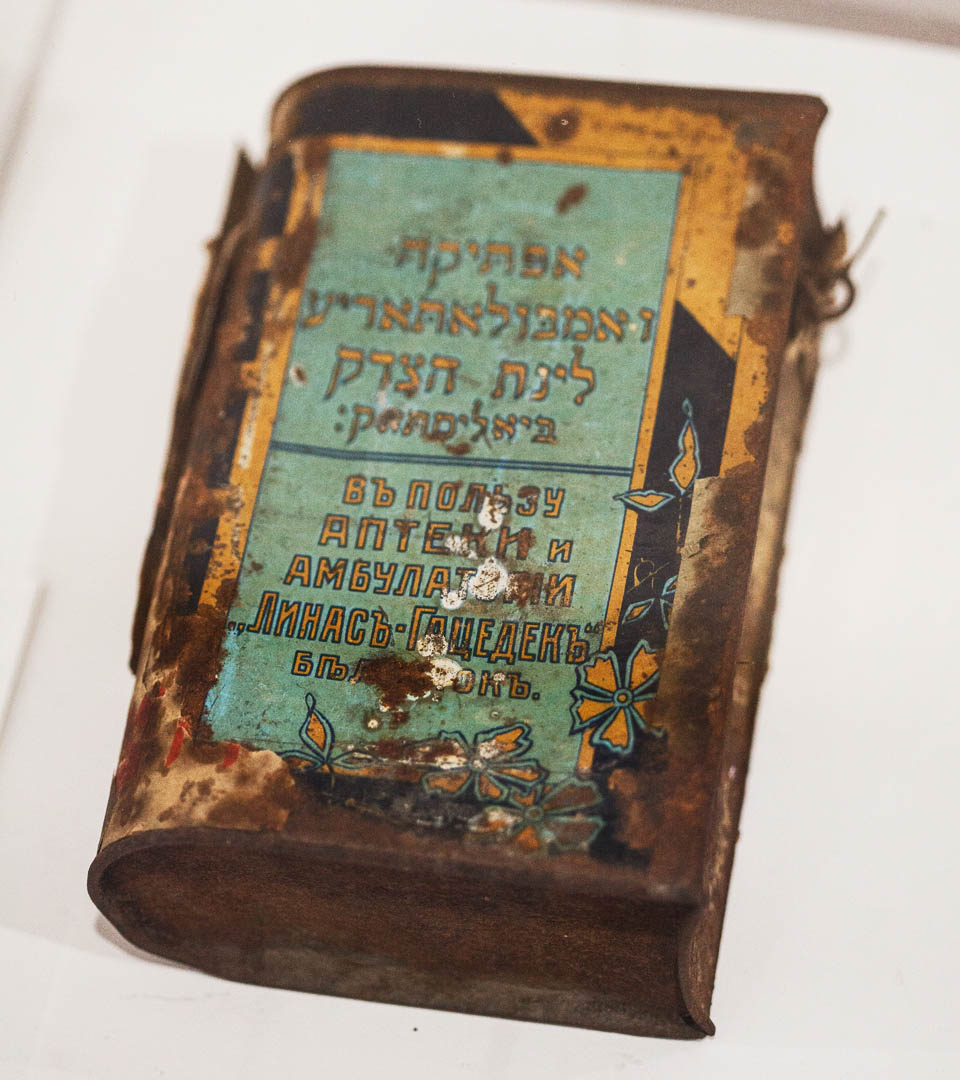
A tin of unusual company

There is also Russian, which would indicate that some of the items date back to the time when Białystok was under Russian rule, making them over 100 years old.

Like a heavily rusted donation box painted in green and brown colors and decorated with floral elements. It has an inscription in Hebrew and Russian referring to the Linas-Hacedek pharmacy and ambulance service. As those interested in the history of Białystok know, this was a famous Jewish charity organization in Białystok, established in 1885 and operating as the Linas-Hacedek Charitable Society. In 1935, on the occasion of the 50th anniversary of the society’s existence, the “Dziennik Białostocki” newspaper reported that it was the oldest charitable organization in Białystok, caring for the poor and sick day and night, regardless of their religion or financial status. It is worth noting that in 1928, the Society established the only night emergency service in the province, and even earlier, in 1912, it had also set up a pharmacy and then a clinic. The organization also fed the poor and supported them with interest-free loans. A rusty tin can found in the attic of a former synagogue almost 80 years after the war reminds us of the existence of this extraordinary institution, which operated thanks to people of good will, true Samaritans.

Among the finds is only one photograph. Although poorly preserved, it shows an elegantly dressed couple in their fifties, photographed in a studio: she in a beautiful dress with appliqués and a belt, he in a suit. The photo is probably also more than a hundred years old.

Marta Pietruszko estimates that it was taken around the time of World War I.

Why such a precise date? The cut of the couple’s clothes points to this. And when it comes to pre-war fashion, Marta Pietruszko has an X-ray vision; she only needs to look at the clothes of the people in the photos to know when they were taken. She also shares her knowledge and passion with others in books she has co-authored (e.g., in a comprehensive album published a few years ago, entitled “Na wschód od Paryża i Warszawy był modny Białystok” [East of Paris and Warsaw, Białystok Was Fashionable], which she wrote together with Jolanta Szczygieł-Rogowska).

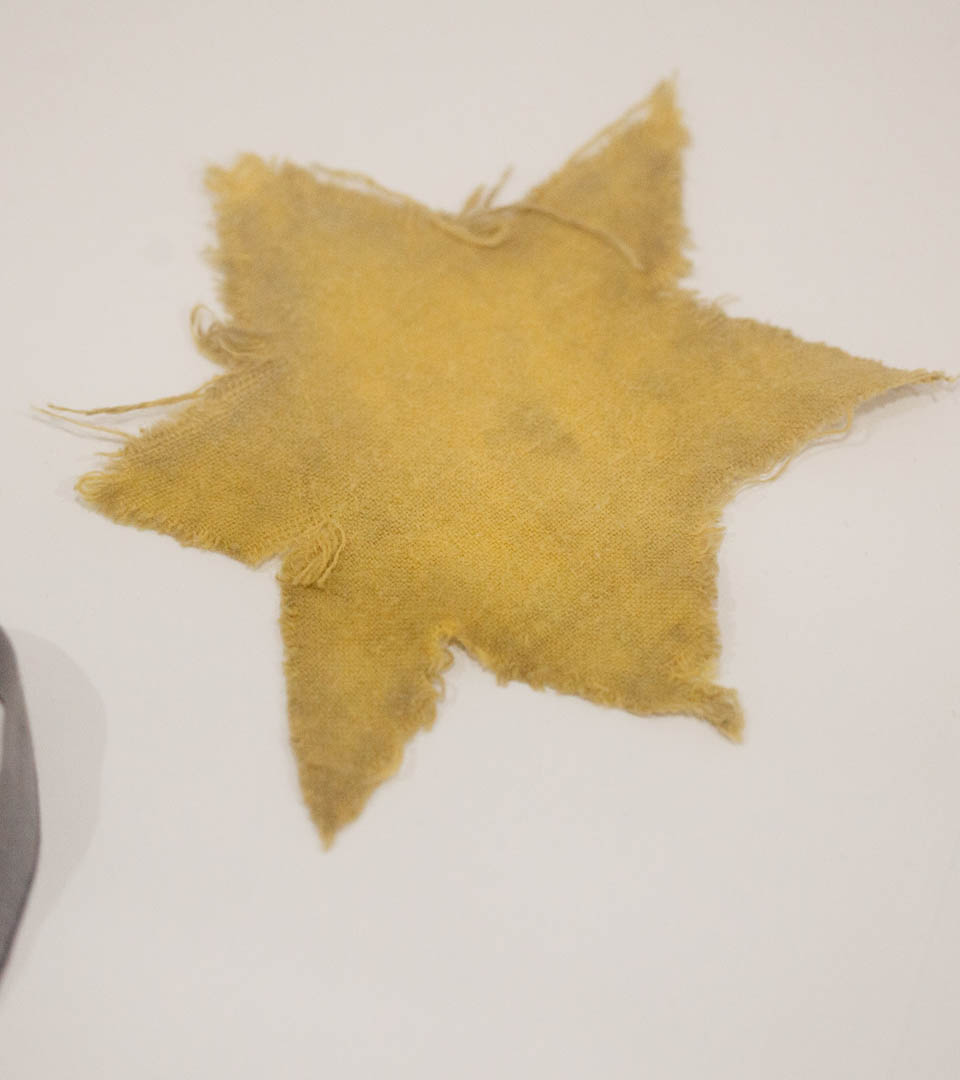
Among the piles of dust and rubbish, gallery employees also unexpectedly found several pieces of pre-war clothing – two items of clothing for a two-year-old child and items of women’s underwear, including a bra and a corset. Where did the remains of clothing belonging to a child and a woman, perhaps a mother, come from in the attic of a former synagogue?

It should be remembered that when the war broke out, the synagogue was located in the ghetto, where a huge number of Jews were crowded together. From the moment it was built, the building was not only the Cytron Bet Midrash, or the Cytron House of Prayer. It also housed a library and a community center. Certainly, when the ghetto was established, some of the rooms were made available to Jews who had been moved from other parts of the city. People definitely lived in the building, probably on the first floor. The attic was probably used to store things, says Marta Pietruszko. Could Jews have hidden in the attic during the liquidation of the ghetto? We will probably never know.

Marta Pietruszko: – Each new discovery caused a storm of emotions within us. Here, joy and immense excitement at the discovery are mixed with sadness that these items are so badly damaged. What’s more, this child’s clothing is so meaningful that the sight of it immediately brings sad thoughts to mind. After all, we can only guess that the fate of the children in the synagogue was most likely tragic. The Jews of Białystok from the ghetto (at least 30,000) were transported to the extermination camps in Treblinka and Auschwitz-Birkenau.

During the socialist era, no one paid any attention to Jewish heritage. In the 1970s and 1980s, the attic was probably treated as a storage room, the more valuable items were probably stolen and taken away, and what was left was almost completely destroyed by moving and throwing debris around, for example by tearing the paper and covers of printed materials, says Marta Pietruszko. “We will try to search the attic thoroughly once again and we will also check the history of the building in detail. I am very happy that we found all these memorabilia in a building that used to be a synagogue, that all of this belongs to this place and is embedded in this space. The genius loci cannot be faked.

The accidental discovery of memorabilia of Białystok Jews is not only a wonderful surprise for all those interested in the past of Białystok, but also a promising start to further activities of the employees of the institution at 24a Waryńskiego Street. This year, the collection of the institution’s patrons, the Sleńdziński family, was moved to a new location in the former archive (on Kościuszki Square) and now functions as the Sleńdziński Art Gallery. Meanwhile, in the building of the former synagogue – as befits a place inextricably linked with Jewish tradition and culture – the Jewish Culture Gallery was recently established as a branch of the Sleńdziński Gallery, just a month ago. Let’s hope that this promising start will quickly lead to further surprises and discoveries.

Go back