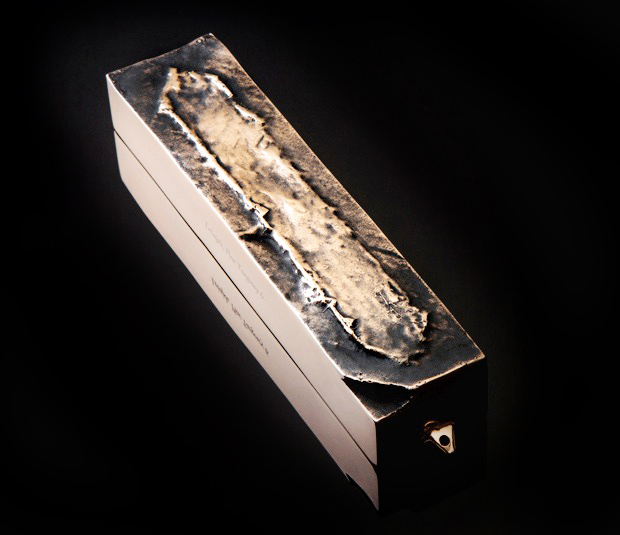
MEZUZAH
LEŻAJSK
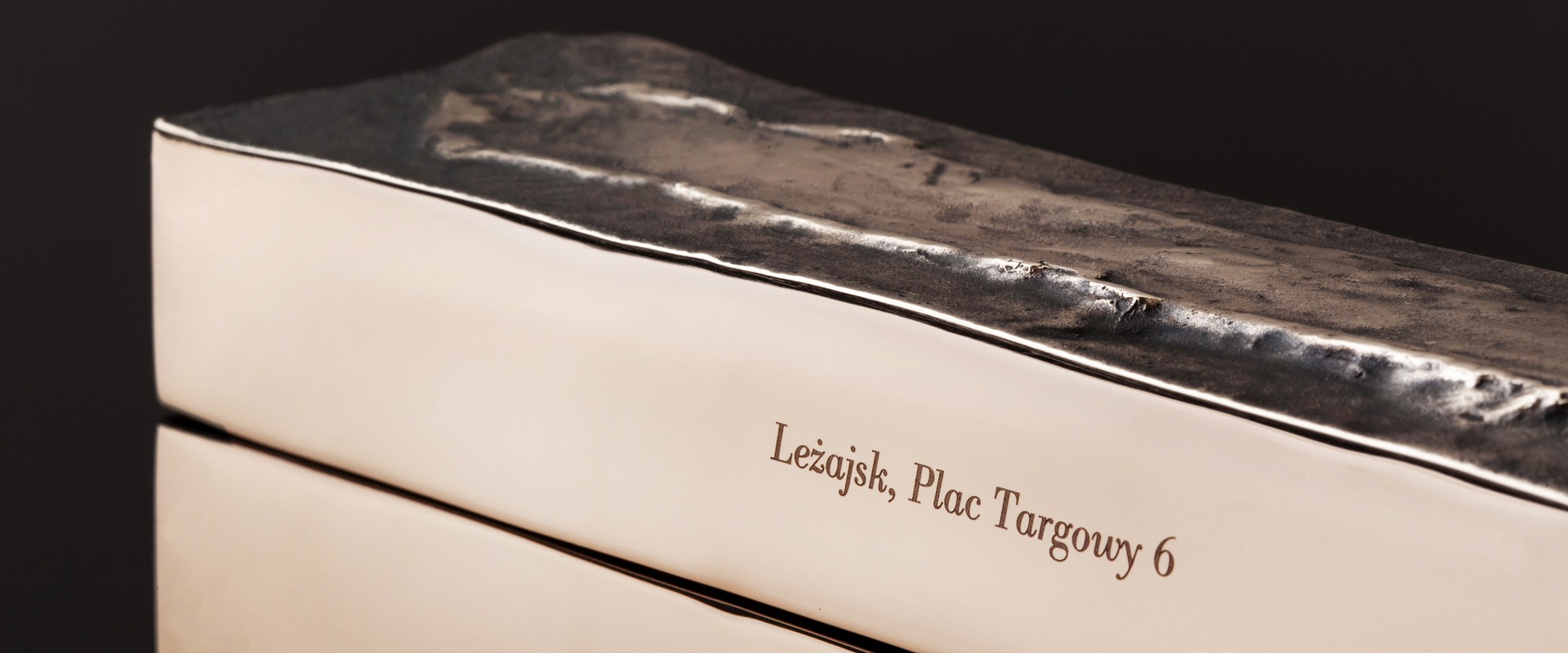
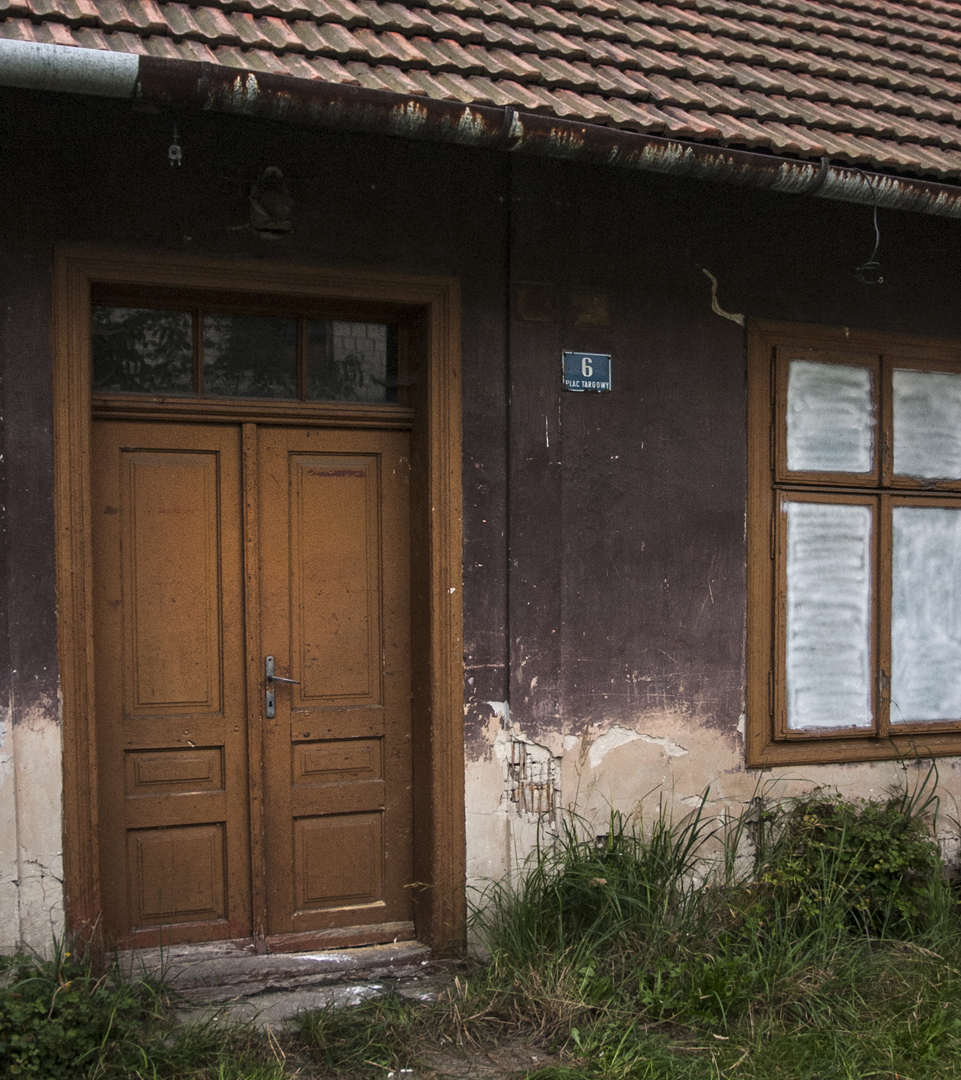
PLAC TARGOWY 6
$258.00
| Size | 6,29” long / 1,18” wide |
|---|---|
| Material | Bronze |
| SET & PRICE | The given price is the final product price for a set consisting: product and a dedicated to this product e-booklet. |
| TAX | In exceptional circumstances, a customs duty of $10 – $20 may apply. The change is due to US administration policy. Applies to shipments to the USA. |
| SHIPPING | Fare starts form 48$ to USA and to most countries outside EU. We ship by UPS. |
| Production | All components, prints, raw materials and finished products were manufactured 100% in Poland. |
Description
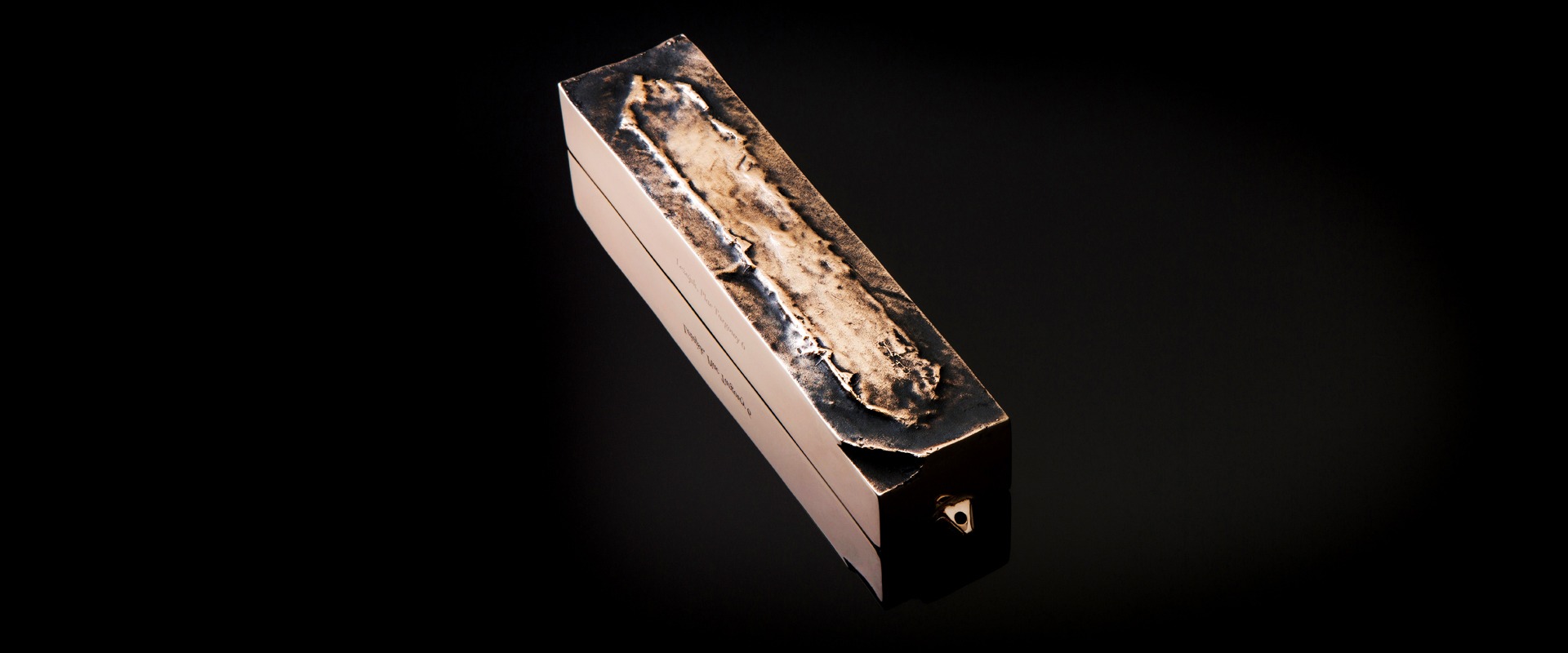
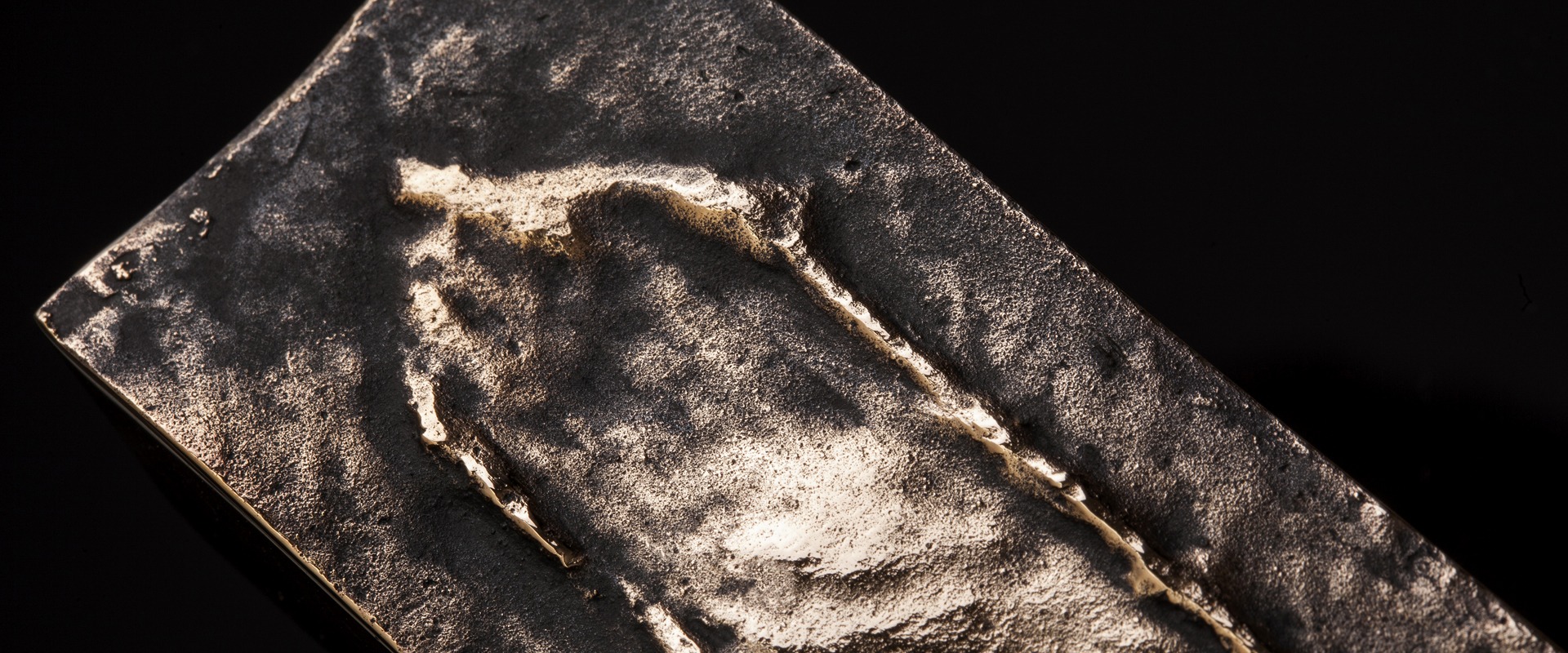
The trace of mezuzah

new mezuzah - bronze cast of the trace

The story hidden behind

the home
The building is located 200 meters from the ohel of rabbi Elimelech of Leżajsk, one of the greatest Polish Rabbies ever.
ASHER AROM
ASHER AROM was one of the two shochets (ritual slaughterers) in the town (Leżajsk) lived in this building.
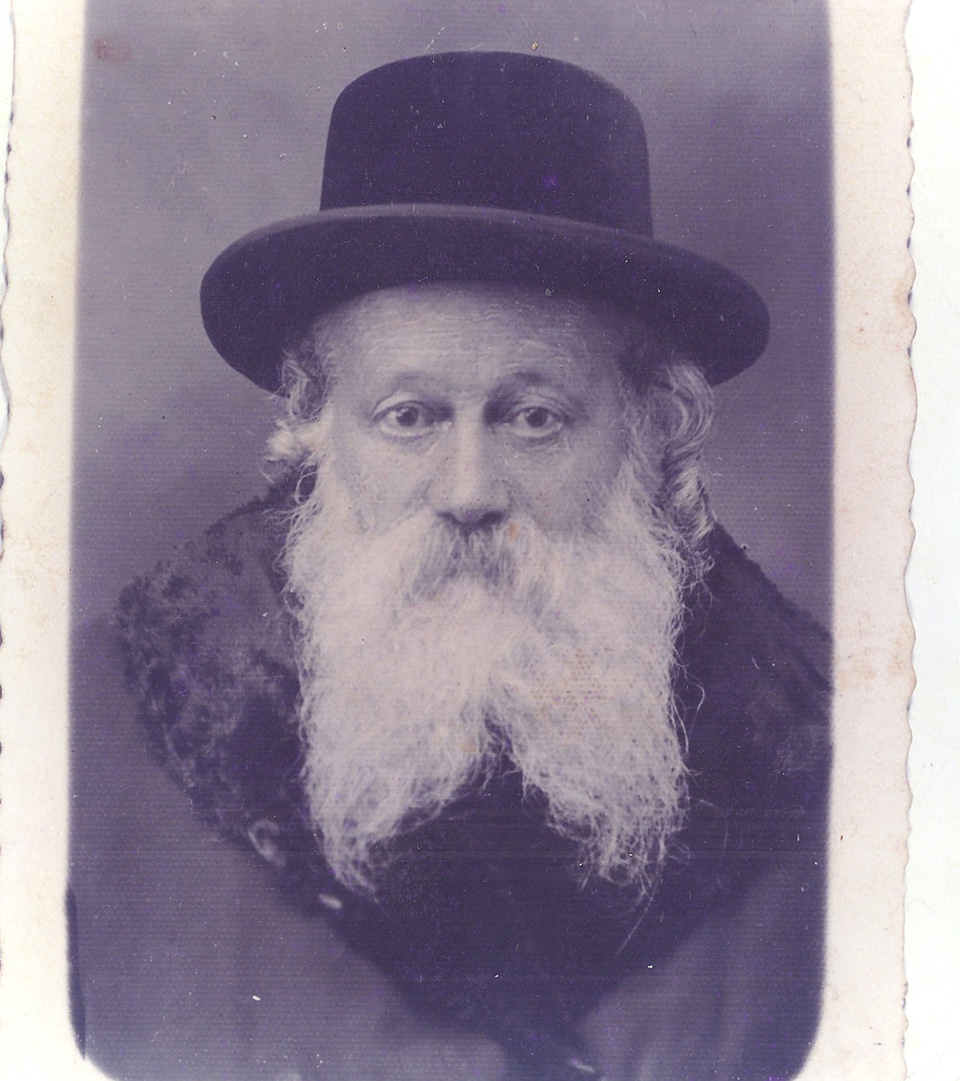
By EITAN AROM
AROM FAMILY
My great-grandfather, Asher Arom was one of the two shochets (ritual slaughterers) in the town. He worked in a workshop that is still preserved, across the street next to the cemetery, and cared for the graves in the cemetery. (At the time of writing, this house still existed. It was demolished between 2020 and 2023). It was my great-grandfather, a holy man from a rabbinical lineage who made Torah his day and night’s labor.
THE CITY OF JEWISH LEŻAJSK
Asher Arom My great-grandfather’s legacy is no exception to the corrosive effect of the years. He was born in Przemysl, across the river from the Jewish quarter in a neighborhood called Zasanie, where his father, Gedalia, had been the head of a yeshiva. Lizhensk, the shtetl where my great-grandfather lived most of his life. The low shack (house) Asher had built. The shack was now owned by the same Chasidim who operated the guesthouse. Simha Krakovski is a wiry man with a scraggly white beard who directs the guesthouse. He told me how they’d bought the shack some years back from a Polish woman who lived ther.
EVIL IS APPROACHING
As it goes, when the Cossacks came during World War I, most of Asher’s family fled. Asher stayed behind so nobody with a chicken or livestock would go hungry for lack of a slaughterer to prepare it. One day, as he was walking outside, a group of Cossacks spotted him and followed. He led them to the mikveh and jumped into the depths, hiding beneath the sacred waters, where he was spared.
THE GERMAN INVASION OF POLAND
The Nazis entered Lizhensk during Rosh Hashanah 1939. On Sukkot, they rounded up the Jews in the market square. A persistent downpour soaked the crowd. The frightened townsfolk were uncertain what fate awaited them — death or deportation, bullets or banishment. Panic ruled. And Asher was missing.
My understanding of these events is informed entirely by the adolescent memories of his granddaughter, Leah Braude. Leah’s father, Chaskel Nissenbaum, was a slaughterer and Asher’s student. Later, when Nissenbaum traveled to Germany to ply his trade, returning only for holidays, Asher became something of a father figure to his young granddaughter.
After the war, Leah set down some of her memories from that time in what became the Lizhensk Yizkor Book, a collection of remembrances published in Israel and dedicated to the town’s martyrs. In one of the passages, she described her grandfather, who had “a smile that imparted pleasantness whenever I desired a smile.” This is the last living account of my great-grandfather — but the rest of the Yizkor Book provides a colorful recollection of a vanished world.
Leah, barely a teenager when war separated her from her beloved Chasid, with his snowy sidecurls and white beard down to his chest, recalled in the Yizkor Book his deep devotion and fervent prayer: “My grandfather made his nights like his days, and studied Torah. His tune in the nights is woven in the depths of my dreams and adds to their sweetness.”
“May the One who consoles Zion and builds Jerusalem offer us a double portion of consolation,” Asher wrote to his son Shmuel in Palestine on the Tuesday after the reading of Parashat Bamidbar in May 1938.
Asher described the death of his wife, born Chaia Rachel Brand, my great-grandmother: “On the seventh day of the month of Iyar” — April 26, 1939 — “early in the morning at 2 a.m., her soul began slipping away from her body until she passed away at 9:30 in the morning,” he wrote to his son in Palestine. “The house was full of men and women.”
“Rachel, the mainstay of the house, how were you taken to be buried in the ground — where finally your bones could find a resting place — but leave us to our moaning and sorrow?” he wrote. “Who will mend our broken hearts that have been torn asunder and broken into pieces?” Chaia Rachel bat Luria Simcha. Two of his sons had earlier abandoned Poland for Mandatory Palestine.
LIFE DURING THE GERMAN OCCUPATION
The Germans were in the mood for arson when they came to Asher Arom’s house on the second night of Rosh Hashanah. Earlier that night, soldiers had barged into the synagogues, demanding volunteers for work. In a surprising act of mercy, they allowed the congregants to evacuate the synagogues, but their intentions were clear. They brought kerosene and kindling. Then they set the buildings ablaze. The main concern for many of these Jews, it turned out, was not preserving their property or protecting their families, but finding a place to finish praying. With the ashes of the holy places still choking the air, “it was told to them that grandfather had made his house open for the needs of prayer,” Leah recalled in the Yizkor Book.
Some two dozen Jews gathered at the ritual slaughterer’s home. The Nazis quickly learned what was going on. They chased away the prayer quorum but locked my great-grandfather inside. Soon, they returned with bundles of straw and rags soaked in kerosene. Leah’s sister Sarah, then a girl of 16, begged for her grandfather’s life, weeping. The Germans ignored her, intent on burning the 72-year-old alive. Only when a gentile woman who lived next door joined in Sarah’s protest did the Nazis relent.
“The Germans returned the key to my sister and removed the flammable material from around the house, and grandfather was again saved from certain death. His body most likely went up in smoke or was tossed in a mass, unmarked grave.
Death was the punishment for absence, and yet there was no trace of Asher. Leah had arrived at the square with her parents and sister. “We were unable to search for him without being shot,” his granddaughter wrote. “At the last moment, as we organized into rows for the gloomy march, he appeared next to us, calm and filled with family warmth. He was wearing his clean Sabbath clothing, and had his tallis and tefillin bag with him.”
His family scolded him, but, “He smiled and mocked us: What is all the confusion? For it is impossible to believe these murderers. However, perhaps they indeed intend to kill us. Therefore, I went to the mikveh to purify myself, and now I am ready and prepared if it is the will of our Creator, the Creator of the world who determines the fate of man.”
GERMAN REPRESSION AND MASSACRES OF THE JEWISH POPULATION IN LEŻAJSK
When they got there, the Germans unrolled a sheet and commanded the Jews to drop any valuables onto it, on penalty of death. To show they were serious, they shot one of the Jews on the spot. But when the Jews then were ordered across a makeshift bridge, suddenly they were alone; the opposite bank was Soviet territory. Two years before the Wannsee Conference and the decision to implement the Final Solution, the Nazis seemed content with banishment. “So ceased to be one Jewish community in the first days of the war,” Spatz wrote.
Leah and her family headed east, surviving deportation to Siberia and eventually making their way to Israel. But Asher seemed to resign himself to his doom.
The conclusion of his granddaughter’s recollection is as terse as the rest of it is reverent: “When we crossed the San, we continued to wander in the direction of Przemysl. Grandfather was a native of Przemysl, and he decided to remain there until the storm would pass. After we took leave of him, we never met again. He succumbed to the murderous Nazis.
This mezuzah is the only tangible evidence of his existence.
You may also like…

- Out of Stock
- Click for more!
- Read more
- NEW BOOK OF MI POLIN
- Click for more!
- Add to cart
- NEW BOOK OF MI POLIN